


Aerobic septic tank maintenance is essential for any homeowner who wants to keep their wastewater system running smoothly. By practicing proper maintenance techniques, you can avoid costly repairs, extend the lifespan of your system, and ensure a healthy environment.
Here’s a quick overview of what you can do to maintain your aerobic septic system:
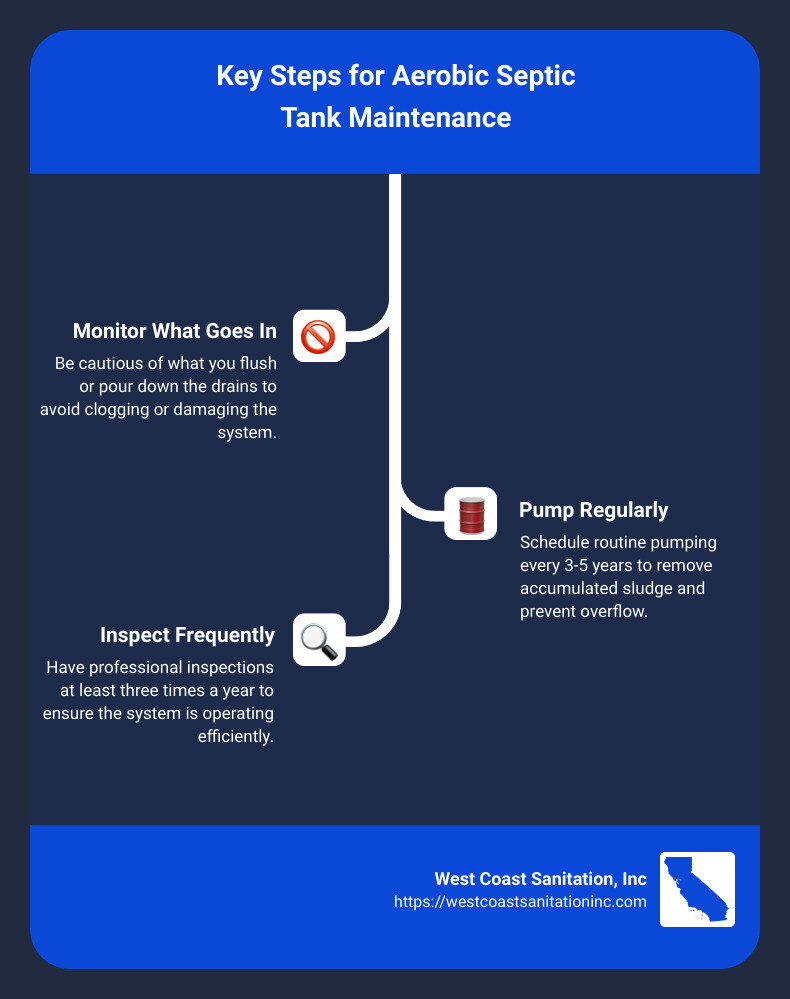
- Monitor What Goes In: Be cautious of what you flush or pour down the drains.
- Pump Regularly: Get your tank pumped every 3-5 years.
- Inspect Frequently: Have professional inspections at least three times a year.
- Use Certified Services: Work with certified professionals for repairs and maintenance.
- Avoid Chemicals: Only use products designed for septic systems and avoid harmful chemicals.
- Keep It Free of Debris: Ensure the drain field and system components are free from obstructions.
Aerobic septic systems use a combination of nature and technology to treat wastewater. Unlike traditional septic systems, they incorporate oxygen into the treatment process. This helps aerobic bacteria to break down waste more efficiently.
Understanding Aerobic Septic Systems
Aerobic septic systems are an advanced form of wastewater treatment that use oxygen to break down organic matter more efficiently than traditional systems. Let’s dive into how they work, their key components, and the benefits they offer.
How They Work
Aerobic septic systems treat wastewater through a multi-stage process:
- Trash Tank: The first stage separates solids from the liquid wastewater.
- Aerobic Treatment Unit (ATU): Compressed air bubbles are forced through the wastewater, creating an oxygen-rich environment. This helps aerobic bacteria break down organic matter.
- Disinfection Chamber: The treated water is disinfected, making it safe for surface dispersal.
- Pump Tank: Finally, the treated effluent is transported to a surface sprinkler irrigation system or a drip irrigation field.
Components
These systems typically have four main chambers:
- Trash Tank: Separates solids from liquids.
- Aerobic Treatment Unit (ATU): Adds oxygen to the wastewater.
- Disinfection Chamber: Disinfects the treated water.
- Pump Tank: Moves the treated water to the dispersal area.
Benefits
Aerobic septic systems offer several advantages:
- High-Quality Effluent: They produce consistently high-quality treated water, suitable for irrigation.
- Flexible Installation: They can be installed in various soil types and require minimal space.
- Environmental Protection: These systems reduce the risk of groundwater contamination.
- Water Reuse: Treated wastewater can be used for irrigation, promoting water conservation.
Aerobic Bacteria
The star of the show in aerobic septic systems is aerobic bacteria. Unlike anaerobic bacteria, which thrive in oxygen-free environments, aerobic bacteria need oxygen to survive and work. These bacteria are highly efficient at breaking down organic waste, making the treatment process faster and more effective.
Maintaining a healthy balance of these bacteria is crucial. Avoid pouring chemicals down the drain, as they can harm these beneficial microbes. Using septic-safe products and regular maintenance can help keep your system in top shape.
By understanding how aerobic septic systems work and their benefits, you can better appreciate the importance of regular maintenance. Up next, we’ll look at routine maintenance practices to keep your system running smoothly.
Routine Maintenance Practices
Maintaining your aerobic septic system is essential to ensure it runs smoothly and efficiently. Let’s dive into the key practices for aerobic septic tank maintenance: regular inspections, a proper pumping schedule, and effective cleaning and additives.
Regular Inspections
Regular inspections are a must for any aerobic septic system. The EPA recommends that household septic systems be inspected at least every three years. For systems with electrical float switches, pumps, or mechanical components, yearly inspections are advisable.
What should you check during an inspection?
– Leaks: Look for any signs of leaks in the system.
– Scum and Sludge Levels: Measure the scum and sludge layers in your tank. If the bottom of the scum layer is within six inches of the outlet or the sludge layer is within 12 inches, it’s time to pump.
– Tank Condition: Check the structural integrity and ensure that baffles or tees are in place.
Professional Services: Hiring a certified septic service provider ensures that the inspection is thorough and any potential issues are caught early. Keep records of all inspections and maintenance activities for future reference.
Pumping Schedule
Pumping your septic tank regularly is crucial to avoid overflows and system failures. The general recommendation is to pump your system every three to five years, but this can vary based on several factors:
- Household Size: More people mean more waste, requiring more frequent pumping.
- Total Wastewater Generated: Higher water usage can fill the tank faster.
- Volume of Solids: The more solids in your wastewater, the more frequently you’ll need to pump.
- Tank Size: Larger tanks can go longer between pumps, while smaller tanks fill up faster.
Licensed Contractors: Always use licensed contractors for pumping to ensure the job is done right. They can also provide insights on your system’s condition and any additional maintenance needed.
Cleaning and Additives
Keeping your aerobic septic system clean is vital for its longevity and performance. Here are some tips:
- Natural Bacteria: Use natural bacteria and enzyme additives to maintain a healthy microbial balance in your tank. These help break down waste more efficiently.
- Avoid Chemicals: Harsh chemicals can kill beneficial bacteria, disrupting the treatment process. Stick to septic-safe products.
- Chlorine Tablets: Some aerobic systems require chlorine tablets to disinfect the treated water. Check your system’s requirements and add chlorine as needed.
By following these routine maintenance practices, you can ensure your aerobic septic system remains in excellent condition, avoiding costly repairs and extending its lifespan.
Next, we’ll explore the dos and don’ts of aerobic septic tank maintenance to help you avoid common pitfalls and keep your system running smoothly.
Dos and Don’ts of Aerobic Septic Tank Maintenance
Dos
Monitor Water Usage
Keep an eye on your water usage. Excessive water can overload your septic system. Fix leaky faucets and running toilets immediately. Spread out laundry loads over the week to avoid flooding the system.
Proper Waste Disposal
Only flush human waste and toilet paper. Avoid flushing items like grease, oil, feminine products, or diapers. These can clog your system and cause failures.
Regular Maintenance
Schedule regular inspections and pump-outs. Most systems need pumping every 3 to 5 years. Regular checks can catch problems early, saving you costly repairs.
Use Biodegradable Products
Use biodegradable soaps, shampoos, and detergents. These break down easily and don’t harm the bacteria in your tank. Avoid antibacterial products that can kill beneficial bacteria.
Work With Certified Providers
Always hire certified professionals for inspections, maintenance, and repairs. DIY fixes can void warranties and cause more harm than good.
Don’ts
Avoid Chemicals
Never pour chemicals like paint thinners, pesticides, or bleach down the drain. These can kill the bacteria that treat your wastewater. Stick to septic-safe cleaning products.
Heavy Machinery
Don’t park or drive heavy machinery over your drainfield. This can compact the soil and damage pipes, leading to costly repairs.
Inappropriate Waste
Avoid using garbage disposals excessively. Food particles can increase solids in your tank by up to 50%, leading to clogs. Compost kitchen waste instead.
Planting Near Drainfield
Don’t plant trees or shrubs near your drainfield. Their roots can invade and damage the system. Stick to shallow-rooted plants and grasses.
Overloading the System
Don’t treat your septic system like a city sewer. Avoid sudden surges of water that can overload it. Use water efficiently and spread out high-usage activities.
By following these dos and don’ts, you can keep your aerobic septic system running smoothly and avoid common pitfalls. Next, we’ll discuss water usage and efficiency to further protect your system.
Water Usage and Efficiency
Efficient water use is crucial for maintaining your aerobic septic system. Not only does it help the environment, but it also prevents overloading your system. Here are some tips and tools to help you manage your water usage effectively.
High-Efficiency Toilets
Toilet use accounts for 25 to 30 percent of household water use. Older toilets can use up to 5 gallons per flush (GPF), but newer, high-efficiency models use just 1.6 GPF or less.
Switching to high-efficiency toilets is a simple way to conserve water and reduce the strain on your septic system. The EPA’s WaterSense program certifies toilets that meet high standards for water efficiency and performance. Look for the WaterSense label when shopping for new toilets.
Efficient Appliances
Washing Machines
Washing machines are another major water user in the home. An ENERGY STAR-certified washing machine can reduce water usage by about 35%. If your household does around 300 loads of laundry per year, that’s a significant saving!
To further protect your septic system, avoid running multiple loads of laundry in one day. Spread out your laundry throughout the week to give your system time to treat waste properly. Always select the appropriate load size to avoid wasting water.
Dishwashers
Modern dishwashers are designed to be water-efficient. An ENERGY STAR-certified dishwasher can save more than 8,000 gallons of water annually. Ensure you only run the dishwasher when it’s full to maximize water savings.
Faucet Aerators and Showerheads
Installing faucet aerators and high-efficiency showerheads can make a big difference in your water usage. These devices reduce the flow of water without sacrificing performance.
By using these simple tools, you can reduce the volume of water entering your septic system, which helps it function more efficiently and last longer.
Impact on Septic System
Efficient water use reduces the amount of water that enters your septic system. This is crucial because overloading the system with water can lead to malfunctions and costly repairs. By adopting water-saving practices and installing high-efficiency appliances, you can keep your aerobic septic system in top shape and save on utility bills.
Next, let’s dive into proper waste disposal to ensure you’re not putting anything down the drain that could harm your system.
Proper Waste Disposal
Toilets Aren’t Trash Cans
Your septic system is not a trash can. Flushing the wrong items can cause clogs and harm the delicate balance of bacteria in your tank. Only flush human waste and toilet paper.
Here’s a list of items you should never flush:
- Cooking grease or oil
- Non-flushable wipes (baby wipes, wet wipes)
- Feminine hygiene products
- Condoms
- Dental floss
- Diapers
- Cigarette butts
- Coffee grounds
- Cat litter
- Paper towels
- Pharmaceuticals
- Household chemicals (gasoline, oil, pesticides, antifreeze, paint)
Flushing these items can clog your system and lead to costly repairs. Stick to biodegradable waste only to keep your system running smoothly.
Think at the Sink
What you pour down your sink affects your septic system, too. Your septic system relies on living organisms to break down waste. Pouring toxins down the drain can kill these organisms and harm your system.
Avoid Grease and Chemicals
- Never pour cooking oil or grease down the drain. They can solidify and cause blockages.
- Avoid chemical drain openers. Instead, use boiling water or a drain snake for clogs.
- Don’t pour oil-based paints, solvents, or large volumes of toxic cleaners down the drain. Even latex paint waste should be minimized.
Minimize Garbage Disposal Use
Garbage disposals can add fats, grease, and solids to your septic tank, potentially clogging the drainfield. Limit its use to keep your system healthy.
Proper Waste Disposal Saves Your System
By following these guidelines, you can prevent damage to your aerobic septic system and avoid expensive repairs. Proper waste disposal helps maintain the balance of bacteria in your tank, ensuring efficient waste breakdown and a longer-lasting system.
Next, let’s explore how to maintain your drainfield and keep it functioning effectively.
Maintaining Your Drainfield
Your drainfield is a crucial part of your aerobic septic system. It removes contaminants from the liquid that emerges from your septic tank. Proper maintenance ensures it works effectively and lasts longer.
Protecting the Drainfield
No Parking or Driving
Never park or drive on your drainfield. The weight of vehicles can compact the soil and damage pipes, leading to system failure.
Proper Water Drainage
Keep roof drains, sump pumps, and other rainwater drainage systems away from your drainfield area. Excess water slows down or stops the wastewater treatment process.
Avoid Building on the Drainfield
Do not build any structures on your drainfield. Concrete and asphalt reduce evaporation and oxygen supply to the soil. Oxygen is vital for the bacteria that help break down sewage.
Regular Inspections
Have your drainfield inspected regularly. Look for signs of failure like soggy ground, slow drains, or strong odors. Early detection can save you from costly repairs.
Landscaping Tips
Plant Native Grasses and Ground Covers
Planting native grasses and ground covers over your drainfield is the best choice. They help to prevent soil erosion and do not have deep roots that can damage pipes.
Avoid Trees and Shrubs
Do not plant trees or shrubs on your drainfield. Their roots can invade and clog the pipes. If you must plant them nearby, choose shallow-rooted varieties like Dogwood trees or Azalea shrubs and keep them at a safe distance.
No Vegetable Gardens
Avoid planting vegetable gardens over your drainfield. Vegetables can be exposed to sewage effluent, making them unsafe to consume.
Regular Mowing
Keep the vegetation over your drainfield mowed or trimmed. This helps maintain the area and prevents roots from growing too deep.
By following these tips, you can protect your drainfield and ensure your aerobic septic system runs smoothly. Next, let’s address some frequently asked questions about aerobic septic tank maintenance.
Frequently Asked Questions about Aerobic Septic Tank Maintenance
How often should I pump my aerobic septic system?
Pumping your aerobic septic system regularly is crucial for maintaining its efficiency. Generally, you should pump your system every 3-5 years. The exact frequency depends on several factors:
- Size of your tank: Larger tanks can go longer without pumping.
- Household size: More people means more waste, requiring more frequent pumping.
- Water usage: High water usage can fill the tank faster.
For example, a 1,000-gallon tank typically needs pumping every 2.5 years for a family of four, while a 2,000-gallon tank might last up to 5 years. Regular inspections can help determine the best schedule for your specific situation.
Do I need to add chlorine tablets to my aerobic septic system?
Yes, adding chlorine tablets is essential for disinfecting the treated wastewater before it is released into the environment. However, not all chlorine tablets are suitable. Only use calcium hypochlorite tablets designed for treating wastewater. Avoid using swimming pool chlorine tablets, as they can damage your system.
Store chlorine in a cool, dry, and ventilated area, away from gas and electrical sources. This helps maintain its effectiveness and ensures safety.
What should I avoid putting down my drains?
To keep your aerobic septic system functioning properly, be mindful of what goes down your drains. Here’s a quick list of items to avoid:
- Grease and oil: These can clog your system.
- Non-biodegradable items: Such as baby wipes, feminine hygiene products, and condoms.
- Chemicals: Including paint thinners, gasoline, and bleach.
- Food waste: Particularly from garbage disposals.
- Medications: These can disrupt the bacterial balance in your tank.
Only flush human waste and toilet paper. Dispose of other items in the trash to prevent clogs and system failures.
By following these guidelines, you can ensure your aerobic septic system remains in top condition. Next, we’ll discuss water usage and efficiency tips to further protect your system.
Conclusion
Maintaining your aerobic septic system is crucial for its longevity and efficiency. Regular inspections, pumping, and proper waste disposal are key practices that keep your system running smoothly. Only flush biodegradable items and avoid harsh chemicals to protect the bacterial balance in your tank.
Why is maintenance important?
Neglecting your aerobic septic system can lead to costly repairs, unpleasant odors, and potential health hazards. By following a regular maintenance schedule and adhering to best practices, you can avoid these issues and extend the life of your system.
If you need professional help with your aerobic septic tank maintenance, contact West Coast Sanitation, Inc. Our experienced team is ready to assist you with inspections, pumping, and any other septic system needs.
Contact West Coast Sanitation, Inc. today to ensure your aerobic septic system remains in top condition. We’re here to help you keep your system running efficiently and effectively.
By following these tips and reaching out to professionals when needed, you can ensure your aerobic septic system serves you well for years to come.