


The Kitchen Convenience That Could Cost You
How garbage disposals impact septic systems over time is an important consideration for Inland Empire homeowners. While these appliances offer convenience in managing food waste, they can also place added strain on your septic system. Ground-up food particles increase the volume of solid waste entering the tank, which can accelerate sludge buildup, reduce system efficiency, and lead to more frequent pumping needs. Over time, this extra load may cause clogs, backups, or even costly damage to the drain field—issues that can often be avoided with mindful usage and regular maintenance.
Quick Answer: The Long-Term Impact
- Doubled pumping frequency – tanks may need pumping every 2-3 years instead of 3-5 years
- Faster sludge buildup – food particles accumulate faster than bacteria can break them down
- Bacterial imbalance – disrupts the natural ecosystem that treats your wastewater
- Drainfield damage – undigested particles can clog pipes and cause system failure
- Higher maintenance costs – repairs and replacements happen sooner than expected
The problem builds slowly. Food waste takes much longer to break down than human waste and toilet paper, so bacteria can’t keep up, leading to slow drains, odors, and potentially costly repairs.
Over 21 million American households rely on septic systems, and daily kitchen habits directly affect this infrastructure. Understanding the relationship helps you make better choices for long-term reliability.
A Deep Dive into How Garbage Disposals Affect Septic Systems Over Time

Your septic system quietly handles all household wastewater. In the Inland Empire, where many homes use septic systems, it works best when you respect its limits.
The star players are anaerobic bacteria that break down waste inside your tank. They handle human waste and toilet paper well, but ground-up food scraps are a different challenge.
When you use a disposal, you add solids and water to a system not designed for them. Food particles decompose slowly, creating a ripple effect. Understanding this explains what makes A Healthy Septic System: What Does It Look Like?.
The Impact of Your Garbage Disposal on Your Septic Tank’s Sludge and Scum Layers
Think of your tank as three layers: heavy materials sink (sludge), light ones float (scum), and the liquid in between is effluent. This separation makes treatment work.
Garbage disposals speed up sludge buildup because food particles are bulky and slow to break down. As a result, pumping frequency can double: every 2-3 years instead of 3-5.
The scum layer grows faster too. Fats, oils, and grease (FOG) float and resist breakdown, coating surfaces and reducing the tank’s effective capacity. With both layers expanding, your tank has less working space, and partially treated wastewater can be pushed out too soon.
The Long-Term Damage to Your Drainfield
Your drainfield relies on slow, even filtration through soil. When undigested solids and excess FOG escape the tank, they clog pipes and soil pores. Flow slows, then stops, and sewage backups can follow.
Repairs are costly—drainfield replacement can run into tens of thousands—and soil contamination is a real risk. This is why Why Septic Tank Size Matters is such an important consideration.
How Garbage Disposals Affect Septic Systems Over Time by Disrupting Bacteria
Your tank’s microbes are tuned for human waste, not regular loads of kitchen scraps. With frequent disposal use, the ecosystem becomes imbalanced, decomposition slows, and solids accumulate faster.
That means reduced treatment efficiency and a higher chance of solids reaching the drainfield. Learn more about these connections in How Garbage Disposals Affect Septic Systems.
What to Avoid: A Guide to Septic-Safe Waste Disposal
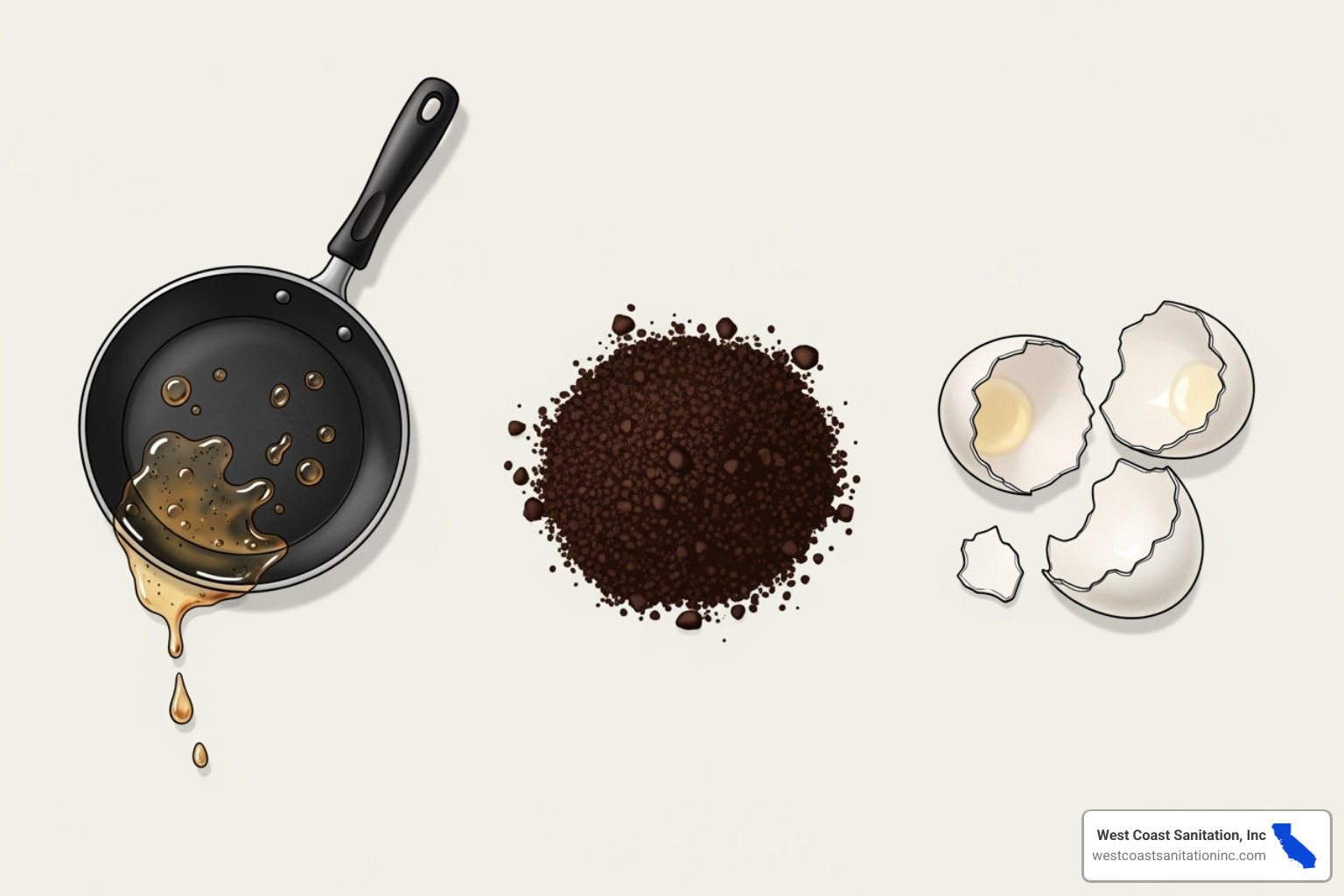
Here’s the truth about septic-safe living: what you don’t put down the drain is just as important as what you do. Think of your kitchen habits as a direct investment in your septic system’s health. Every time you scrape leftovers into the trash instead of grinding them down the disposal, you’re adding years to your system’s life.
The secret to protecting your septic system isn’t complicated. It’s about smart waste separation. Instead of treating your garbage disposal like a magical food-disappearing device, consider it an occasional helper for very small amounts of soft food scraps. Your trash can and compost bin should handle the heavy lifting.
This approach isn’t just about avoiding problems – it’s about embracing better alternatives that benefit both your wallet and the environment. When you understand how garbage disposals affect septic systems over time, you’ll see why a little extra effort in the kitchen pays huge dividends.
Foods to Never Put Down Your Garbage Disposal
Even with the most septic-friendly disposal habits, certain foods are absolute troublemakers that should never see the inside of your drain. These kitchen villains cause clogs, disrupt your tank’s bacterial balance, and speed up that expensive sludge buildup we talked about earlier.
Fats, oils, and grease (FOG) top the danger list. Picture this: that liquid bacon grease hardens as it cools, coating your pipes like candle wax and creating a sticky trap for other particles. In your septic tank, it forms a stubborn scum layer that even the hardest-working bacteria struggle to break through.
Coffee grounds might seem harmless, but they’re basically tiny pebbles that never dissolve. They settle in your pipes and tank like sediment, adding to the solid buildup. Eggshells bring their own problems – those thin membranes don’t break down, and shell fragments stick to grease like glue.
Fibrous vegetables like celery, corn husks, and asparagus are surprisingly tough customers. Their stringy fibers can wrap around disposal blades and resist decomposition in your septic tank. Starchy foods like pasta, rice, and bread absorb water and expand into gummy masses that clog pipes and break down incredibly slowly.
Bones and fruit pits are the obvious troublemakers – they’re simply too hard for most disposals and will sit in your septic tank forever, taking up valuable space. Even small chicken bones and cherry pits never break down.
For the complete rundown on what to keep out of your system, check out our guide on Things to Avoid Dumping into Your System.
Garbage Disposal vs. Composting: Why Reducing Food Waste Down the Drain Matters
When you’re standing at the sink with a plate full of leftovers, you have choices that directly impact your septic system’s future. The convenience of grinding everything down the disposal comes with hidden costs that show up years later as expensive repairs and frequent pump-outs.
Composting transforms your food scraps into garden gold while completely eliminating the burden on your septic system. Instead of sending organic waste to stress your tank’s bacteria and clog your drainfield, you’re creating nutrient-rich soil for your yard. It’s like turning a septic system liability into a gardening asset.
The impact comparison is dramatic. Using your disposal regularly doubles the solid load entering your septic tank and significantly increases the risk of drainfield problems. Composting or using your trash can eliminates this burden entirely, letting your septic system focus on what it was designed to handle – human waste and wastewater.
For Inland Empire homeowners, reducing food waste down the drain isn’t just good practice – it’s essential protection for one of your home’s most expensive systems. If composting feels overwhelming, your regular trash can is still the safest, most reliable method for food waste disposal. Your septic system will thank you with years of trouble-free operation.
Best Practices for Using a Garbage Disposal with a Septic System
Let’s be honest – if you already have a garbage disposal, you’re probably not going to rip it out of your kitchen tomorrow. And that’s okay! While it’s not ideal for your septic system, you can absolutely coexist with your disposal if you’re willing to be thoughtful about how you use it. The key is treating it like the powerful tool it is, not a magical food-disappearing device.
Think of how garbage disposals affect septic systems over time as a slow burn rather than an immediate explosion. With smart habits and consistent maintenance, you can minimize the damage and keep your system running smoothly for years to come.
How to Use Your Disposal Safely and Minimize Damage
The golden rule? Use your disposal sparingly. We know it’s tempting to grind everything down the drain, but your septic system will thank you for restraint. Treat your disposal like a backup singer – helpful when needed, but definitely not the star of the show.
Before you even think about turning on that disposal, scrape your plates into the trash first. This one simple habit can cut your disposal use by 80% or more. Those leftover mashed potatoes and chunks of chicken? Straight to the garbage can. Save the disposal for the tiny bits that inevitably stick to your plates.
When you do use your disposal, always run cold water – and we mean always. Start the water before you turn on the disposal, keep it running while you grind, and let it flow for at least 15 seconds after you’re done. Cold water is your friend because it helps solidify any fats, making them easier to grind and flush away. Hot water does the opposite, melting fats that can then coat your pipes like candle wax.
Cut everything into small pieces before it goes down the disposal. Your disposal motor will last longer, and smaller particles are easier for your septic bacteria to handle. Even something as innocent as a lemon wedge should be quartered before grinding.
The run water before and after rule isn’t just about the grinding process – it ensures all those particles actually make it through your home’s plumbing instead of settling in your pipes. Nobody wants to deal with a clogged kitchen sink on top of septic issues.
For more ways to protect your system, check out our guide on Smart Septic Tank Habits.
Septic-Friendly Disposals and Additives: What You Need to Know
Walk into any home improvement store and you’ll see “septic-safe” or “septic-assist” garbage disposals promising to solve all your problems. While these units often grind food into finer particles or include automatic enzyme dispensers, don’t let the marketing fool you – there’s no such thing as a truly septic-friendly garbage disposal.
Those finer particles might prevent clogs in your immediate plumbing, but they still end up in your septic tank as extra solids. Smaller doesn’t mean gone. Your tank still has to process all that food waste, and your drainfield can still get clogged by fine particles over time.
Be especially cautious with septic additives. Whether they come built into a fancy disposal or you pour them directly into your tank, most septic professionals are skeptical about their benefits. The truth is, there’s no scientific proof that these additives help, and they can actually harm the delicate bacterial ecosystem your septic system depends on.
Your septic tank is like a well-balanced aquarium – it doesn’t need chemical interference to do its job. Focus on proper usage and regular maintenance instead of relying on products that promise easy fixes. For official guidance on septic care, check out the Septic system information from Riverside County.
How Regular Maintenance Mitigates How Garbage Disposals Affect Septic Systems Over Time
Here’s where we can give you some really good news: regular professional maintenance can dramatically reduce the negative effects of garbage disposal use. It’s like having a safety net that catches problems before they become disasters.
If you’re using a garbage disposal regularly, plan on pumping your septic tank more frequently – probably every 2-3 years instead of the standard 3-5 years. Some households with heavy disposal use need annual pumping. It might sound like a hassle, but it’s much cheaper than replacing a failed drainfield.
Regular inspections are your early warning system. During a professional inspection, we can measure sludge and scum levels, spot potential issues, and adjust your pumping schedule based on your actual usage patterns. Every household is different, and cookie-cutter maintenance schedules don’t always work.
Think of this proactive approach as preventing catastrophic failure. Ignoring an overloaded system doesn’t make the problem go away – it just makes it more expensive when it finally demands your attention. Sewage backups, drainfield replacement, and soil contamination are all preventable with proper maintenance.
At West Coast Sanitation, we’ve seen how regular maintenance keeps Inland Empire families comfortable and their septic systems running smoothly. We’re here to help you steer the balance between kitchen convenience and septic health. Learn more about becoming a responsible septic owner with our Top Ways to Be a Good Septic Owner.
Warning Signs Your Garbage Disposal is Harming Your System
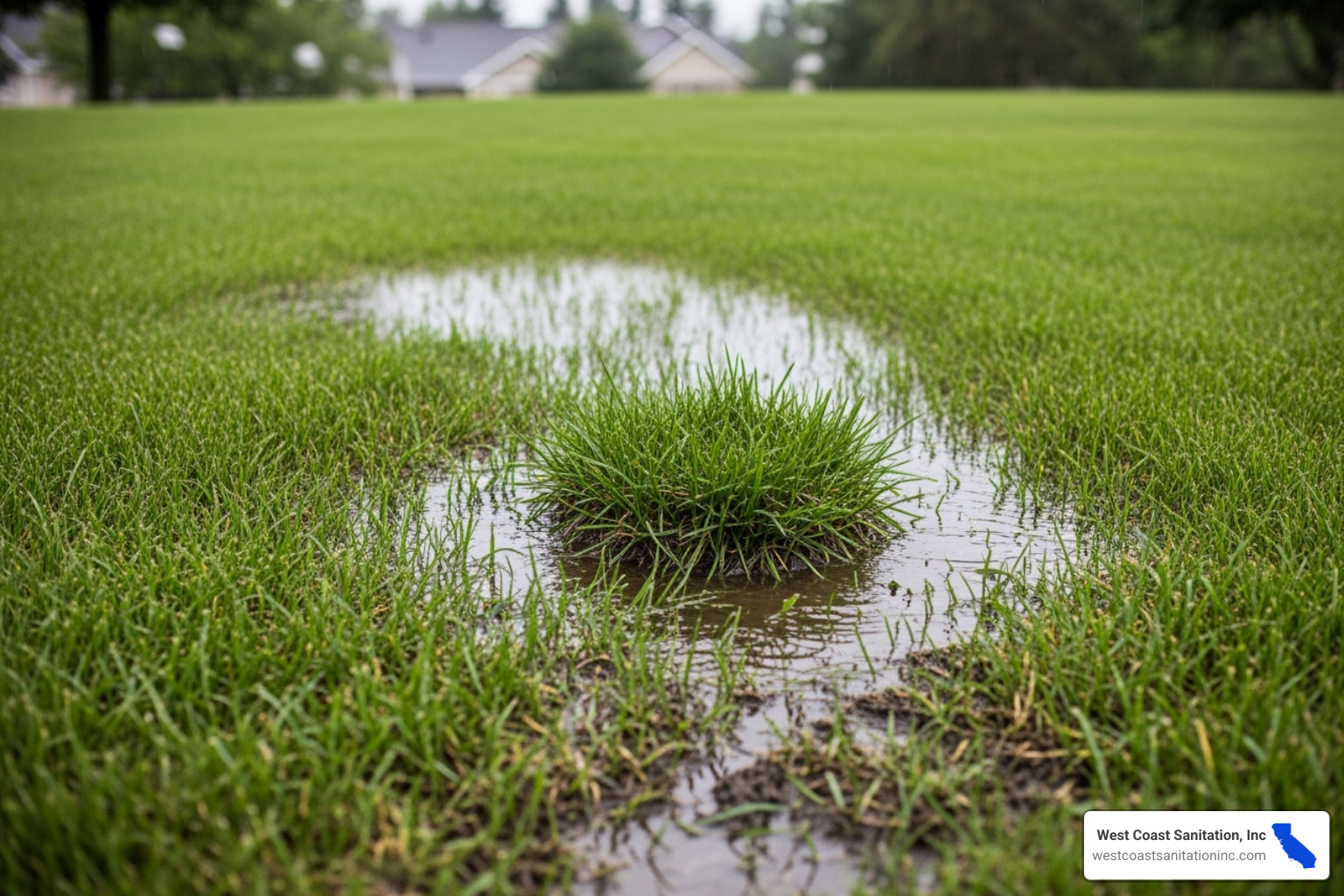
Think of your septic system as your home’s way of communicating with you. When something’s wrong, it sends clear signals – you just need to know what to look for. Understanding how garbage disposals affect septic systems over time means recognizing these early warning signs before they turn into expensive disasters.
Your septic system doesn’t suffer in silence. When food waste from your garbage disposal starts overwhelming the bacterial balance or clogging pipes, the system will let you know. The key is catching these signals early, when a simple pump-out or minor repair can prevent a complete system failure.
Slow drains throughout your home are often the first red flag. When sinks, tubs, or toilets start draining sluggishly, it usually means solids are building up somewhere in your system. Food particles from your disposal are prime suspects for this type of blockage.
Listen for gurgling noises coming from your drains or toilets. These strange sounds happen when air gets trapped by blockages, preventing wastewater from flowing freely. It’s your plumbing’s way of saying “help me!”
Foul odors from drains are impossible to ignore – and you shouldn’t try to. That rotten egg or sewage smell coming from your kitchen sink or bathroom drains means gases are backing up due to blockages, or anaerobic decomposition is happening where it shouldn’t.
The most alarming sign is sewage backups in your home. If wastewater is coming back up through your sinks, tubs, or toilets, your septic system is crying uncle. This often happens when excessive solids from garbage disposal use overwhelm the tank’s capacity.
Don’t forget to check your yard regularly. Soggy spots or unusually lush grass over your drainfield during dry weather means effluent is surfacing instead of being properly absorbed. This happens when undigested food particles clog the soil, creating both environmental and health hazards.
If you notice any of these warning signs, don’t wait and hope they’ll go away on their own. Early detection and professional intervention can save you thousands of dollars and prevent a messy, frustrating situation. At West Coast Sanitation, Inc., we’ve seen how quickly minor issues can escalate when ignored – but we’ve also seen how effectively they can be resolved when caught early.
Frequently Asked Questions about Garbage Disposals and Septic Systems
As a family-owned septic service company here in the Inland Empire, we get these questions almost daily from homeowners in Riverside, Corona, Temecula, and beyond. Understanding how garbage disposals affect septic systems over time is crucial for every septic owner, so let’s tackle the most common concerns we hear.
How often should I pump my septic tank if I use a garbage disposal?
This is hands down our most frequently asked question, and honestly, it’s the most important one! The answer might surprise some homeowners who aren’t aware of the dramatic impact disposal use has on pumping schedules.
Here’s the reality: garbage disposal use can double your pumping frequency. While most septic tanks need pumping every 3-5 years under normal circumstances, regular disposal use often means you’ll need service every 2-3 years. Heavy users with larger households might even need annual pumping.
Why such a big difference? Remember all that food waste we discussed earlier? It accumulates as sludge much faster than your tank’s bacteria can break it down. We’ve seen tanks that should last 4-5 years between pumpings completely full of food debris in just 18 months.
The best approach is having us inspect your tank annually to monitor sludge and scum levels. This way, we can create a personalized pumping schedule based on your actual usage patterns rather than guessing.
Can I use any garbage disposal with a septic system?
Technically speaking, you can install most standard garbage disposals with a septic system. But the real question isn’t whether you can – it’s whether you should, and how to do it responsibly.
You might see “septic-assist” disposals marketed as septic-friendly options. These often feature finer grinding mechanisms or built-in enzyme dispensers. While finer grinding can help prevent immediate clogs in your home’s plumbing, it doesn’t eliminate the solid waste burden on your septic tank. Those tiny particles still contribute to sludge buildup and can clog your drainfield over time.
As for enzyme additives – whether built into special disposals or added separately – we’re honestly skeptical. Many septic professionals agree there’s no proven benefit, and these additives might actually disrupt your tank’s natural bacterial balance. Your septic system already has the perfect bacterial ecosystem; introducing foreign chemicals can throw that delicate balance out of whack.
Our recommendation? Focus on responsible usage habits rather than relying on special equipment or additives. Any standard disposal will work fine if you follow our best practices guidelines.
Is composting a better alternative for food waste if I have a septic system?
Absolutely, without question! Composting or using your trash can is far superior to grinding food waste when you have a septic system.
Think about it this way: composting completely removes organic waste from your septic system’s workload. No extra sludge buildup, no FOG coating your scum layer, no strain on your bacterial ecosystem. It’s like taking a heavy backpack off before climbing a mountain – your septic system can focus on what it does best without the extra burden.
The environmental benefits are pretty fantastic too. Instead of potentially harming your septic system, you’re creating nutrient-rich soil for your garden and keeping organic waste out of landfills. Plus, you’ll save money on more frequent septic pumping.
Even if composting isn’t your thing, simply scraping food scraps into the trash is infinitely better for your septic system than grinding them up. It might seem less convenient initially, but trust us – it’s much more convenient than dealing with a failed drainfield or sewage backup!
Call West Coast Sanitation Today!
When you really understand how garbage disposals affect septic systems over time, it becomes clear that this kitchen convenience comes with some serious strings attached. We’ve walked through the science together – from the way food particles overwhelm your tank’s bacterial ecosystem to the expensive drainfield damage that can follow years down the road.
If you’ve already got a disposal and can’t imagine life without it, we get it. But this means regular maintenance isn’t negotiable anymore – it’s your lifeline. More frequent inspections, pumping every 2-3 years instead of 3-5, and staying vigilant for warning signs become part of your homeowner routine.
At West Coast Sanitation, Inc., we’ve been helping Inland Empire families protect their septic investments for years. As a local, family-owned business serving Riverside, Moreno Valley, Corona, Temecula, Murrieta, and surrounding communities, we’ve seen what works and what doesn’t. Our same-day service and high-tech equipment mean we can catch problems early, before they become disasters.
Your septic system works hard for your family every single day. With the right care and professional guidance, it can keep working efficiently for decades to come.
For professional septic system installation and maintenance, contact us today!