


Why Every Drop Counts: Protecting Your Septic System
For homeowners in Southern California’s Inland Empire, understanding how everyday water use affects a septic system is essential. Septic issues can lead to stressful backups, costly repairs, and ongoing concerns about the system’s reliability. The encouraging news is that many of these problems can be prevented by making small adjustments to daily water habits. Simple changes in how water is used, managed, and spaced throughout the day can significantly reduce strain on the system and help it operate more efficiently for years to come.
Your septic system can only handle so much wastewater at once. Overwhelming it with too much water, too quickly, can lead to failure. By reducing your water consumption, you reduce stress on the system, improve wastewater treatment, prevent clogs, and extend its lifespan. These small changes also lead to significant savings through fewer repairs, less frequent pumping, and lower water bills.
The Science Behind Your Septic: How Water Usage Affects Performance
Your septic system works like a small, private wastewater treatment plant right in your backyard—and understanding how it functions makes it clear why even minor changes in daily water use can significantly extend its lifespan.
When wastewater leaves your home, it enters the septic tank, where it naturally separates: heavier solids settle to the bottom as sludge, while lighter oils and grease rise to the top as scum. Between these layers sits the clarified liquid, known as effluent. Inside the tank, naturally occurring bacteria get to work breaking down the organic material in the sludge and scum.
From there, the effluent moves into the drainfield, where it slowly filters through the soil for its final stage of treatment before returning to the groundwater. This entire process depends on a balanced flow of water—something you can easily support with simple, everyday adjustments.
This entire process relies on a careful balance. Using too much water too quickly disrupts this balance and can cause the system to fail.
How Excessive Water Impacts Wastewater Treatment
When you flood your system with too much water, it causes hydraulic overload. Your septic tank needs to hold wastewater for at least 24 hours to allow solids to settle and bacteria to work. A sudden surge of water reduces this retention time, pushing wastewater and unsettled solids into the drainfield prematurely.
Your drainfield is designed for liquid, not solids. When solids enter, they clog the pipes and soil, preventing the drainfield from absorbing and treating wastewater. This can also wash out the beneficial bacteria needed to break down waste. An overloaded system may also release harmful bacteria, viruses, and nutrients into the soil and groundwater, posing a significant environmental and health risk, especially in a water-scarce region like Southern California.
The Consequences of Overloading Your System
The consequences of overloading your septic system are both unpleasant and expensive. Homeowners throughout the Inland Empire can attest to the headaches of a failing system.
- Clogged Pipes and Saturated Drainfield: Untreated solids block drainfield pipes, causing effluent to saturate the surrounding soil.
- Surface Ponding and Odors: Wastewater can rise to the surface, creating foul-smelling puddles in your yard. Strong sewage odors are a clear sign of a failing system.
- Costly Repairs and Premature Failure: A well-maintained system can last for decades, but overloading can cause it to fail in a fraction of that time. Repairs or a full replacement can cost $30,000 to $40,000 or more.
These consequences highlight why managing water usage is so critical. Fortunately, most of these problems are preventable with simple changes to your daily habits.
Changing Your Everyday Habits
Protecting your septic system doesn’t require a big overhaul of your routine. In fact, the most effective strategies come from small, everyday shifts in how you use water. Simple habits—spreading out laundry loads, fixing small leaks quickly, or avoiding long back-to-back showers—reduce stress on the system and help it operate the way it’s designed to. These easy, consistent adjustments go a long way toward keeping your system healthy, preventing breakdowns, and extending its lifespan.
Space Out Water-Intensive Activities
Sending a large volume of water into your system at once, known as a “shock load,” is one of the fastest ways to overwhelm it. It’s not just how much water you use, but when you use it. Spreading out water-heavy chores like laundry, showering, and running the dishwasher gives your system time to process waste effectively.
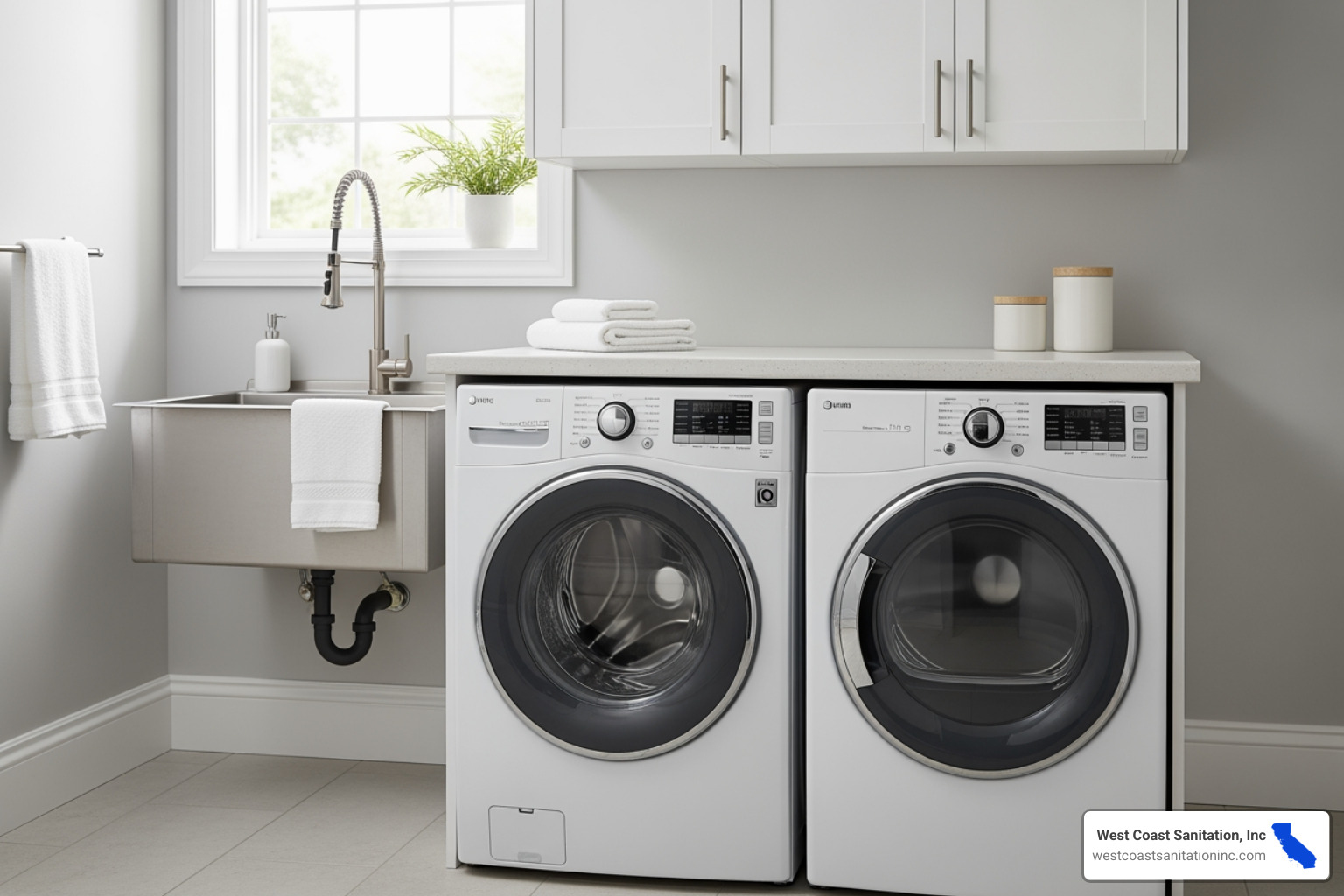
Instead of doing all your laundry on one day, spread it out over the week. Even with an efficient HE washer, back-to-back loads can create a mini-flood. For more details, see our article on how laundry can harm a septic system. Similarly, run your dishwasher only when it’s full and try to space out showers. A simple rule is to avoid running the washing machine, dishwasher, and shower at the same time. This gives solids time to settle and bacteria time to work.
Be Mindful in the Bathroom and Kitchen
Small habits in the bathroom and kitchen add up. Here are some simple ways to conserve water:
- Take shorter showers: An 8-minute shower can use over 16 gallons. Cutting it to 5 minutes saves a significant amount of water.
- Turn off the tap: Don’t let water run while brushing your teeth, shaving, or scrubbing dishes.
- Run full appliance loads: Wait until your washing machine or dishwasher is completely full before starting a cycle.
- Avoid the garbage disposal: Garbage disposals add excess solids and water to your tank, requiring more frequent pumping. Scrape food scraps into the trash or a compost pile instead. Learn more about how garbage disposals affect septic systems.
- Don’t use the toilet as a trash can: Flushing tissues, cotton swabs, or other trash wastes gallons of water and adds unnecessary solids to your system.
Educate Your Household for Lasting Success
For your water-saving efforts to be effective, everyone in your home needs to be on board. Hold a family meeting to explain why conserving water is important for protecting your septic system, saving money, and helping the environment. Create simple house rules, like limiting shower times or only running full dishwasher loads. Posting friendly reminders near sinks and toilets can also help. Fostering a sense of shared responsibility ensures your septic system remains healthy for years to come.
The Power of Plumbing: Upgrades and Repairs That Protect Your System
While your daily habits matter, the condition of your home’s fixtures and plumbing has an equally big impact on how well your septic system manages water. Upgrading to water-efficient faucets, toilets, and showerheads helps control how much water enters the system at once, keeping it from becoming overloaded. Just as important is fixing leaks right away—those constant drips may seem minor, but they add up to gallons of unnecessary water pushed through your tank and drainfield.
These simple upgrades and timely repairs are practical, cost-effective ways to keep your system running smoothly and help it last longer, all without major lifestyle changes.
Why Fixing Leaks is a Non-Negotiable for Septic Health
Leaks are silent saboteurs for your septic system. Even a small drip adds up to a surprising amount of wasted water, putting constant, unnecessary stress on your system.
- Leaky Toilets: A running toilet can waste over 20 gallons of water per day, sometimes hundreds. This continuous flow prevents proper settling and treatment in your septic tank. To check for a leak, add a few drops of food coloring to the tank; if color appears in the bowl without flushing, you have a leak.
- Dripping Faucets: A faucet dripping once per second can waste over 3,600 gallons a year, all of which needlessly overloads your system.
Fixing leaks is a non-negotiable step for septic health. The EPA provides resources to help you learn more about fixing leaks. For specific advice, see our article on what to do if your toilet is leaking.
How Small Changes in Water Use Can Extend Septic System Life with Efficient Fixtures
Upgrading to water-efficient fixtures is one of the most effective ways to reduce wastewater. The EPA’s WaterSense program helps identify products that use at least 20% less water than standard models without sacrificing performance.
- Low-Flow Toilets: WaterSense labeled toilets use 1.28 gallons or less per flush, compared to older models that can use up to 7 gallons. This upgrade can save a family thousands of dollars over the toilet’s lifetime. You can find water-efficient toilets recommended by the EPA.
- High-Efficiency (HE) Washers: Modern HE washers, especially front-loading models, use up to 50% less water than older machines.
- Low-Flow Showerheads and Faucet Aerators: These inexpensive upgrades can reduce water use from showers and sinks by 50% or more, saving thousands of gallons per year.
Installing these features can reduce a household’s water consumption by 35%, which means significantly less wastewater stressing your septic system.
How Small Changes in Water Use Can Extend Septic System Life and Your Wallet
The financial benefits of water conservation are substantial. It’s not just about a lower water bill; it’s about protecting a major home investment. By using less water, you can avoid the huge expense of septic repairs, which can run into the tens of thousands of dollars for a failed drainfield. You’ll also need less frequent septic tank pumping, saving money on routine maintenance. If you’re on city water, your utility bills will drop, and if you have a well, you’ll save on electricity. Finally, a healthy septic system is a valuable asset that increases your property value. For more tips, explore our article on smart septic tank habits.
Recognizing Problems and Protecting Resources
Being a responsible septic owner means understanding how small adjustments in water use can significantly extend your system’s life—and knowing the early warning signs of potential problems. Addressing issues promptly can prevent costly repairs and messy backups. Watch for these indicators that your septic system may be overloaded or starting to fail:
- Slow Drains and Gurgling Sounds: Sinks, showers, or toilets that drain slowly, or strange gurgling noises from your pipes.
- Sewage Odors: Unpleasant smells near the septic tank, drainfield, or inside your home.
- Soggy Yard: Unusually wet or spongy ground over the drainfield, or patches of unusually lush green grass.
- Pooling Water or Sewage Backups: The most severe signs are foul-smelling puddles in your yard or, worst of all, sewage backing up into your home’s drains.
If you notice any of these signs, contact a professional like West Coast Sanitation, Inc. immediately. Ignoring them will only lead to more extensive damage. For a comparison, check out our guide on what a healthy septic system looks like.
Protecting Local Water Resources
Your water conservation efforts also protect our community’s precious water resources. In Southern California, where water is scarce, this is especially critical. A failing septic system can leak untreated wastewater containing harmful bacteria and nutrients into the ground, contaminating the aquifers that supply our drinking water. By keeping your septic system healthy, you help ensure groundwater protection for everyone.
As homeowners, our actions have a ripple effect. By conserving water, we not only extend the life of our septic systems but also contribute to the health and sustainability of Southern California’s water supply for future generations.
Frequently Asked Questions about Septic Systems and Water Usage
Many homeowners in the Inland Empire have questions about how their daily habits affect their septic system. Here are answers to some of the most common questions we receive at West Coast Sanitation, Inc.
How often should I have my septic tank pumped?
The general guideline is every 3 to 5 years, but this can vary. The ideal frequency depends on:
- Household Size: Larger families generate more waste and may need pumping every 2-3 years.
- Tank Size: Smaller tanks fill up faster and require more frequent pumping.
- Water Usage: High water consumption means more solids enter the tank, accelerating sludge buildup. Conserving water can extend the time between pumpings, demonstrating How Small Changes in Water Use Can Extend Septic System Life.
The best way to know for sure is with a professional inspection. Our technicians can measure the sludge and scum layers to recommend a pumping schedule custom to your system.
Can I use a garbage disposal with a septic system?
We generally advise against using a garbage disposal with a septic system. While convenient, they add a significant amount of solid waste to your tank, which is harder for bacteria to break down than human waste. This leads to faster sludge buildup and the need for more frequent, costly pumping. Instead of sending food scraps down the drain, we recommend composting them or throwing them in the trash.
Are chemical additives good for my septic tank?
The short answer is no. Most septic experts, including West Coast Sanitation, Inc., advise against using chemical additives. A healthy septic tank contains a natural ecosystem of beneficial bacteria that efficiently break down waste. Harsh chemical additives can kill these essential bacteria, disrupting the system’s natural balance and leading to treatment failure. Some additives can also stir up settled solids, forcing them into the drainfield where they cause clogs and expensive damage. Proper maintenance, including regular pumping and mindful water use, is all your system needs to function correctly.
Call West Coast Sanitation Today!
Simple actions like spacing out laundry loads, taking shorter showers, and fixing leaks create a powerful shield against the hydraulic overload that causes costly failures. A septic system replacement can cost upwards of $30,000, an expense easily avoided with mindful water use and regular maintenance. Every gallon you save reduces stress on your system, prevents clogs, and protects your investment.
Your efforts also protect our community. A healthy septic system prevents groundwater contamination, safeguarding Southern California’s precious water resources for everyone.
At West Coast Sanitation, Inc., we’ve helped families across Riverside, San Bernardino, and Los Angeles Counties avoid the stress and expense of septic failures for years. Proactive homeowners who adopt these simple habits enjoy decades of trouble-free system performance.
The best time to start is now. These small changes are investments in your home’s value, your family’s comfort, and your financial security. You don’t have to do it alone. Our team is ready to provide expert inspections, answer your questions, and deliver the quality service we’re known for.
Take the first step toward peace of mind. Schedule your residential septic tank pumping service today and partner with us to keep your septic system healthy for years to come.