


Why Your Septic System Needs Year-Round Attention
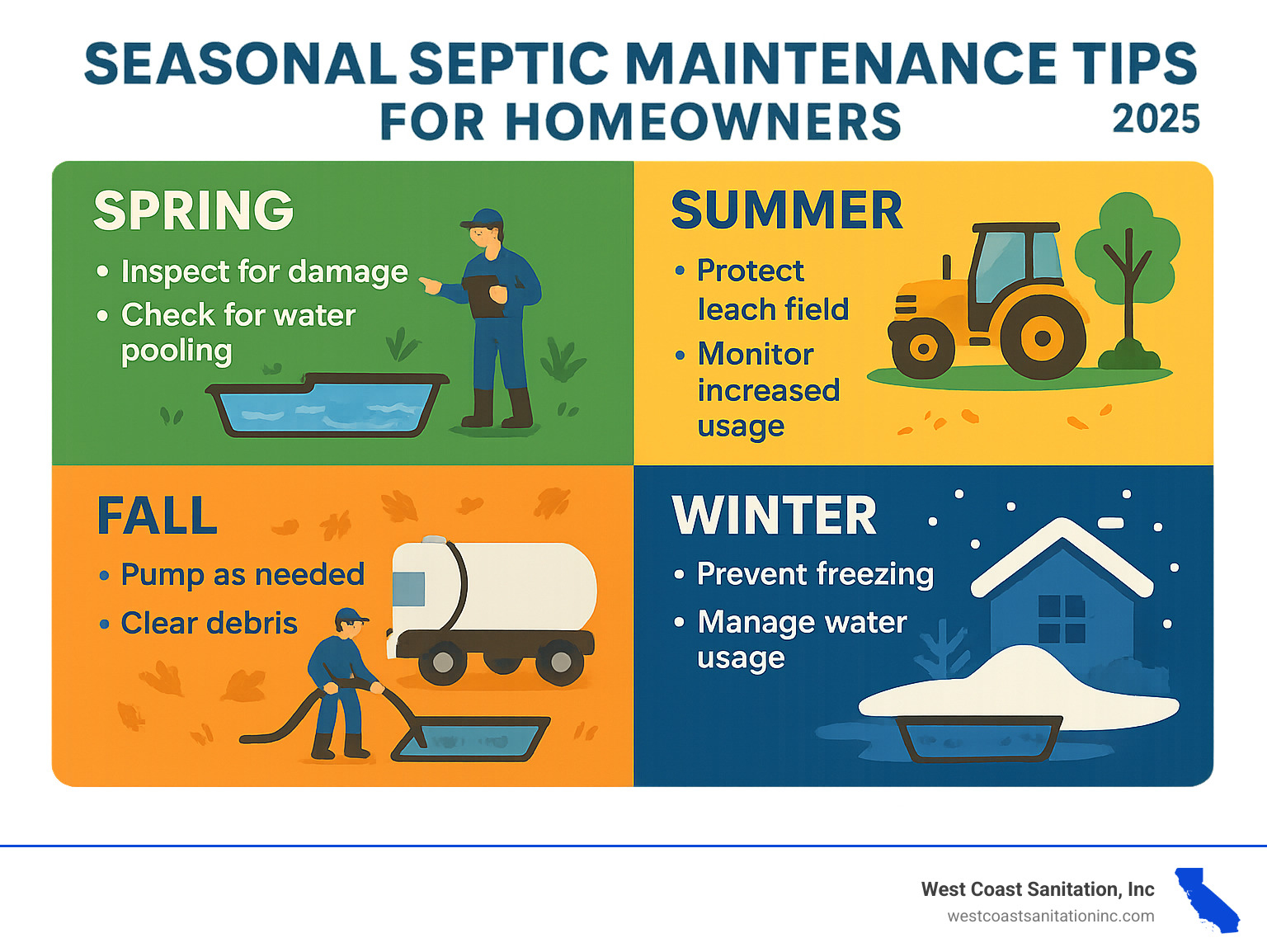
Staying on top of seasonal septic maintenance is one of the best ways homeowners can protect their system and avoid costly surprises. Each season brings its own set of challenges that put stress on your septic system—spring often means heavy rainfall and saturated soil, summer brings higher water usage from outdoor activities and guests, fall can introduce extra yard debris that clogs drains and filters, and winter poses risks from freezing temperatures and compacted snow. By planning ahead and tackling the right tasks at the right time of year, you’ll extend the life of your septic system and ensure it keeps running smoothly year-round.
Approximately 25% of U.S. households rely on septic systems. Without proper seasonal care, minor issues can quickly become expensive emergencies. A well-maintained system can last for decades, while neglected systems often fail within 15-20 years.
Regular seasonal maintenance protects your investment, prevents costly repairs, and keeps your family healthy. It also safeguards Southern California’s groundwater and environment from contamination.
The Foundation of a Healthy Septic System: Inspections, Pumping, and Water Use
Your septic system is a critical foundation of your home. Keeping it healthy comes down to three habits: getting regular inspections, pumping when needed, and being smart about water use. These proven tips can save you thousands of dollars and years of headaches.
Inspection and Pumping Frequency
Your septic system works hard 24/7. Regular check-ups are needed to catch small problems before they become expensive ones.
Professional inspections should happen every three years for most homes. A technician checks sludge and scum levels, inspects the tank, and examines the drain field. This inspection is even more critical when buying a home to avoid unpleasant surprises. The Importance of a Septic System Inspection When Buying a Home explains why.
Pumping frequency depends on your situation. The standard is every 3-5 years, but household size, tank size, and water usage habits are major factors. A large family with a small tank will need more frequent pumping than a smaller household.
The technical rule: when the scum layer is within six inches of the outlet, or the sludge layer is within 12 inches of the outlet, it’s time to pump. Alternative systems with pumps or electrical parts need annual inspections since they have more components that can fail.
For more on timing, see our guide on How Often Should a Septic Tank Be Pumped? The EPA guide also provides detailed care instructions.
Best Practices for Managing Water Usage
Managing water is critical for your septic system’s health. The average person uses about 70 gallons of water daily, meaning a family of four sends nearly 300 gallons into the tank each day.
A leaky toilet can add 200 gallons per day to your system—equivalent to adding three extra people to your household. If you see water at your toilet’s base, don’t ignore it. Our guide on Why is My Toilet Leaking at the Base? can help.
Spreading out laundry loads throughout the week prevents water shock. One or two loads every few days creates a manageable flow rather than a weekend flood.
Water-saving fixtures make a real difference. Older toilets use 3.5-5 gallons per flush, while high-efficiency models use 1.6 gallons or less. Since toilets account for 25-30% of household water use, upgrading significantly reduces your system’s workload. Look for WaterSense labeled appliances, which use less energy and water.
Never drain pools or spas into your septic system. The volume can overwhelm the tank, and the chemicals will kill the beneficial bacteria that break down waste.
Every drop of water that goes down your drains ends up in your septic tank. Mindful water use is one of the best investments you can make in your system’s longevity.
Your Guide to Seasonal Septic Maintenance Tips for Homeowners
Your septic system needs different care as the seasons change. Our Seasonal Septic Maintenance Tips are essential practices that can save you thousands in repairs. Each season brings its own challenges: spring rains can saturate your drain field, summer usage spikes with guests, fall preparation is crucial before the holidays, and even mild winter cold can slow the beneficial bacteria in your system.
Understanding these seasonal rhythms helps you stay ahead of problems. A little attention each season keeps your system happy and your wallet intact.
Spring Septic System Checklist
Spring is the perfect time for a post-winter septic check-up. Your first priority should be a post-winter inspection. Look for slow drains, standing water, or unusual odors, which may signal damage from freezing temperatures or heavy rains.
Saturated soil is a concern during spring rains. Your drain field filters wastewater through soil, but it can’t work properly if the soil is already waterlogged. Don’t ignore soggy patches or pooling water near your septic area. Our guide on Common Leach Field Problems in Spring can help you understand what’s happening.
Root intrusion becomes visible as plants grow aggressively in spring. Tree and shrub roots seek moisture and can invade your system through tiny cracks. Keep an eye on large plants near your system.
Finally, redirect rainwater away from your septic system. Adjust gutters and downspouts to ensure storm water flows away from your drain field to prevent oversaturation.
Summer Septic System Best Practices
Summer often means increased water use from guests and activities, putting more strain on your septic system. Your tank can only handle so much at once, so spread out water-heavy activities throughout the week.
Protecting the leach field is crucial. Your leach field has pipes just below the surface that can be crushed by even moderate weight. Resist the urge to park vehicles or place heavy objects like pools on the leach field.
Summer landscaping projects require thought. Your drain field needs shallow-rooted plants only. Deep-rooted trees and shrubs will eventually find and clog your pipes. Our Landscaping Around a Septic System: Dos and Don’ts guide helps with plant selection.
Heavy equipment avoidance is non-negotiable. Always mark your system clearly and keep heavy machinery well away from the area to avoid thousands in potential repairs.
Fall: Your Pre-Winter Septic Prep Plan
Fall is the time to prepare your septic system for winter. Pumping before holidays is a smart move. If your tank is nearly full and you’re hosting guests, schedule pumping now to prevent a septic emergency during family time. This is one of our top Simple Tips to Extend the Life of Your Septic System.
Insulating the tank with a layer of mulch or straw over your tank and drain field acts like a blanket, keeping beneficial bacteria active during cold snaps.
Clearing leaves and debris is more important than it looks. Fallen leaves can block vents, hide access points, and create drainage problems.
Gutter maintenance directly impacts your septic system. Clean your gutters and ensure downspouts carry water far away from your septic area to prevent pooling around the drain field.
Winter Septic Protection Tips
Even in mild Southern California winters, your septic system faces challenges from heavy rains and occasional cold snaps.
Preventing freezing pipes is important. Pipes in shallow or exposed areas can still freeze during cold spells. A little insulation with mulch or straw is cheap insurance against expensive repairs.
Managing water use is critical because reduced bacteria activity means your system processes waste more slowly. The beneficial bacteria that break down solids are less active in cooler temperatures, so be mindful of what goes down your drains and spread out water usage.
Heavy rain impact is winter’s biggest challenge in our region. Winter storms can saturate the ground, making it harder for the drain field to absorb treated wastewater. Good yard drainage is essential.
Be mindful of harsh cleaning products or holiday cooking ingredients that can harm septic bacteria. Our guide on Protecting Your Septic Tank System from Cleaning Chemicals can help.
Protecting Your System: What to Keep Out and How to Shield Your Field
Your septic system is a living ecosystem. Protecting its key components—the bacteria in the tank and the drain field filter—ensures years of trouble-free operation. This knowledge is a key part of Seasonal Septic Maintenance Tips for Homeowners, as system protection is a year-round commitment.
What Not to Flush or Pour Down the Drain: A Homeowner’s Guide
Your septic tank isn’t a trash can. Flushing the wrong items can lead to expensive backups and repairs that are easily preventable.
The golden rule is simple: only human waste and toilet paper should go down your toilet. The EPA’s “Don’t Overload the Commode!” video explains this well.
- Cooking grease and oil are among the worst offenders. They go down as liquids but solidify as they cool, creating stubborn clogs. Scrape them into the trash.
- Non-flushable wipes, even those labeled “flushable,” don’t break down like toilet paper and create massive clogs.
- Feminine hygiene products, condoms, and dental floss are not designed to break down in a septic system.
- Cigarette butts, coffee grounds, and cat litter also don’t decompose properly and should be thrown away.
- Paper towels and facial tissues are engineered to stay strong when wet and can accumulate to cause blockages.
- Harsh chemicals like bleach, drain cleaners, and paint thinners kill the beneficial bacteria your system needs and can contaminate groundwater. For safer options, see our guide on Which Household Cleaners Are Septic Safe?.
- Pharmaceuticals can also harm your system’s bacteria. Use local medication disposal programs instead.
While convenient, garbage disposals add extra solids and grease to your tank, requiring more frequent pumping. Use them sparingly.
How to Protect Your Drain Field from Damage
Your drain field is the vulnerable final treatment stage of your system and needs protection from above and below ground.

The biggest threat is compaction from heavy weight. Never drive or park vehicles—cars, RVs, or construction equipment—over your drain field. The weight compresses the soil, preventing it from absorbing wastewater.
Proper landscaping is crucial. Stick to shallow-rooted grasses. Tree and shrub roots will seek out moisture, invading pipes and causing clogs and expensive repairs.
If you’re considering a garden, our article Can I Plant a Vegetable Garden Over a Septic Leach Field? explains why this isn’t recommended for system protection and food safety.
Water management is equally important. Your system is designed for household wastewater, not rainwater. Divert all downspouts, sump pump discharges, and surface water away from the drain field area to prevent it from being overwhelmed.
Never build permanent structures like sheds or patios over your drain field. Besides the weight, they prevent oxygen from reaching the soil, which the beneficial bacteria need to work effectively.
The EPA’s “Shield Your Field!” video offers great visual reminders of these strategies. A protected drain field is a functional one.
Recognizing Trouble: Common Warning Signs of Septic System Failure
Even with the best Seasonal Septic Maintenance Tips for Homeowners, issues can arise. Recognizing warning signs early can save you from a messy and expensive emergency.
-
Foul odors are often the first sign. Sewage smells near drains, toilets, or outside your home are a major red flag that the system isn’t treating waste properly.
-
Slow drains throughout your home tell a different story than a single clog. When multiple drains are sluggish, it often points to a septic system problem, like a clog or drain field issue.
-
Gurgling sounds from pipes or toilets happen when air gets trapped due to blockages or backups. It’s a sign your plumbing is struggling.
-
Sewage backups are the most alarming sign. If sewage backs up into your home, your system is overwhelmed or blocked. This is an emergency that requires immediate professional help.
-
Wet, soggy spots in your yard over the septic tank or drain field indicate that wastewater is surfacing where it shouldn’t, posing health risks.
-
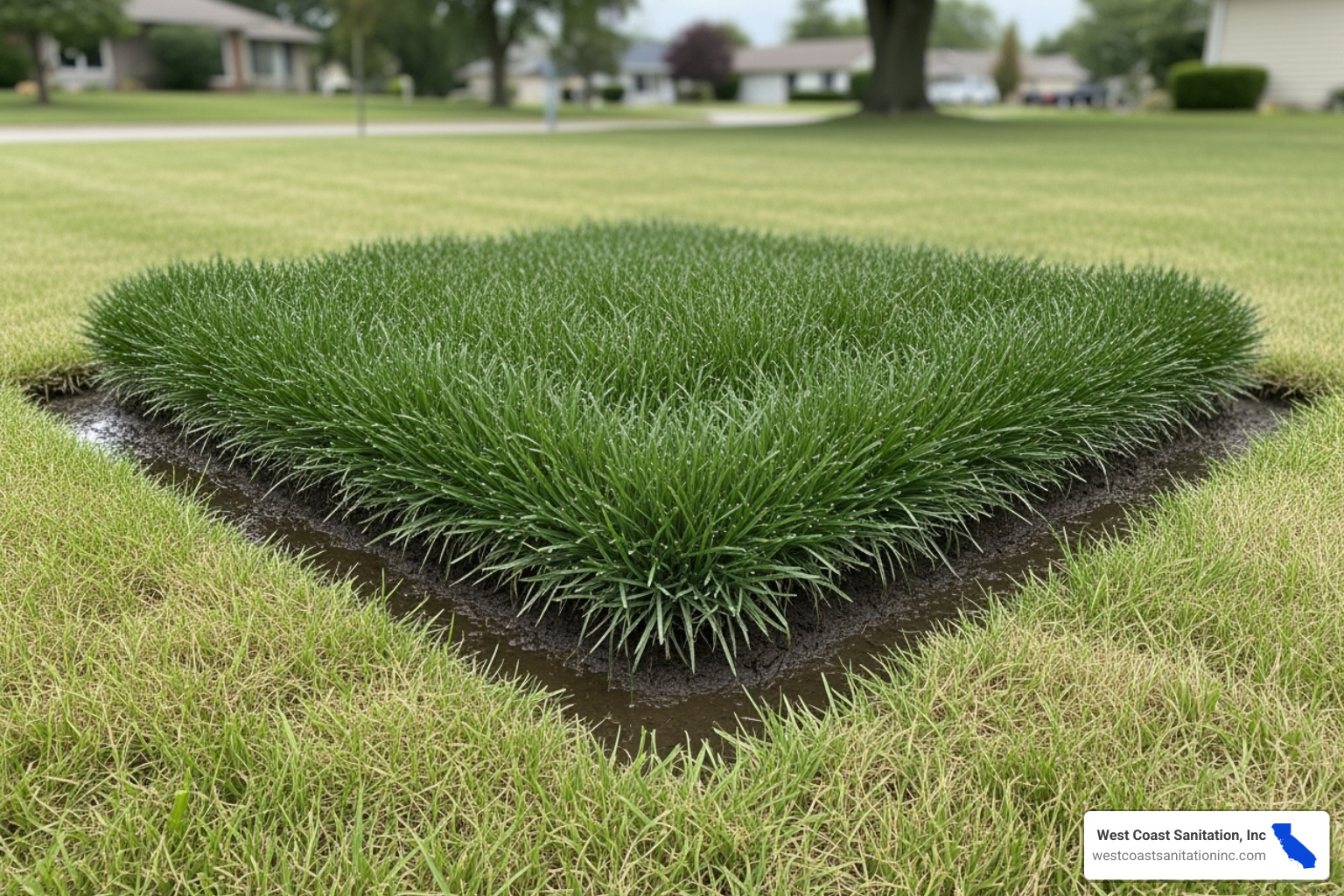
Unusually green or lush grass over your drain field can also be a bad sign. The Washington State Department of Health identifies this as a clear sign of septic system failure. It happens when untreated wastewater surfaces and acts as fertilizer.
If you notice any of these warning signs, don’t wait for them to go away. Early detection and quick action can prevent minor issues from becoming major disasters. Our guide on Signs That Your Septic Tank Is Full offers more insights on when to call a professional.
The Long-Term Benefits of Proactive Septic Care
Proactive septic care, a core part of our Seasonal Septic Maintenance Tips for Homeowners, is a smart investment in your home’s future with a tremendous long-term payoff.
The most obvious benefit is avoiding costly repair bills. System failure can lead to repair costs of $5,000 to $20,000, with drain field replacement costing as much as a new car. Regular maintenance catches small issues before they become financial disasters. What Happens When You Do Not Pump Your Septic Tank shows why prevention is cheaper than repair.
A well-cared-for system can outlive your mortgage. A system can last 30, 40, or even 50 years with consistent maintenance, far beyond the 15-20 year lifespan of a neglected one.
Your home’s value depends on a functional septic system. A failing system can kill a real estate deal or lead to massive price reductions. A well-maintained system with documentation is a strong selling point, showing you’ve been a responsible homeowner.
Public health protection is also incredibly important. Failing septic systems can contaminate wells, streams, and groundwater that communities depend on. Proper maintenance ensures your system treats wastewater effectively, keeping everyone safe.
In Southern California, environmental protection is paramount. Our groundwater feeds aquifers that supply drinking water to millions. Maintaining our septic systems protects the beautiful environment we all love, from local watersheds to the Pacific Ocean.
The peace of mind that comes with proactive septic care is priceless. You’ll sleep better knowing your system is running smoothly, your family is safe, and your investment is protected.
Call West Coast Sanitation Today!
At West Coast Sanitation, Inc., we’ve been helping families maintain healthy septic systems for years. As a local, family-owned business, we’re your neighbors in communities like Riverside, Moreno Valley, Corona, Temecula, and throughout the Inland Empire. We truly care about your home’s health.
Our same-day service means you won’t be left waiting. Our high-tech equipment allows for quick, accurate diagnostics, often preventing expensive emergencies. We treat your property with the care we’d give our own.
Following our Top Ways to Be a Good Septic Owner is a great start, but professional support provides true peace of mind. You shouldn’t have to worry about your septic system—that’s our job.
Ready to give your septic system the professional care it deserves? Contact us today for an inspection or installation. Let’s work together to keep your system running smoothly, season after season.