


Why Understanding Septic Tank Repairs vs. Replacement Matters
Choosing between septic tank repairs and a full replacement is a crucial decision for homeowners. Making the wrong call can result in thousands of dollars in unnecessary expenses and pose serious health and environmental risks.
Quick Decision Guide:
| Repair When: | Replace When: |
|---|---|
| Single component failure (pipes, baffles) | Tank is structurally compromised |
| System is under 20 years old | System is 25+ years old |
| Isolated root intrusion | Multiple system failures |
| Cost under $3,000 | Repairs exceed 50% of replacement cost |
| No recurring issues | Frequent, repeated problems |
When sewage starts backing up or foul odors linger, it’s a clear sign that your septic system needs attention. The critical question is whether a targeted repair will solve the issue or if a full system replacement is necessary.
The stakes are significant. Addressing problems early can often mean a repair costing under $3,000, but delaying action can result in a complete replacement exceeding $10,000. Failures may occur in the tank, distribution lines, or drainfield, and pinpointing the exact source of the problem is essential for making the right decision.
Septic systems generally last between 20 and 40 years, but poor maintenance, heavy usage, or environmental factors can cut that lifespan in half, making the choice between repair and replacement more complicated. Regular inspections and prompt attention to warning signs are the best ways to protect your investment and avoid costly surprises.
Red Flags: Telltale Signs Your Septic System Needs Attention
Your septic system will let you know when something is wrong. Recognizing these warning signs early can help you avoid a crisis.
-
Rotten Egg Smell: Unmistakable whiffs of sewage near drains, toilets, or your tank are a primary distress signal. This often means your tank is full or waste is leaking.
-
Slow Drains and Gurgling Sounds: When multiple fixtures drain slowly or you hear strange gurgling from your pipes, your system may be backing up. These are important early warnings.
-
Sewage Backups: If wastewater starts re-entering your house through drains or toilets, you have an emergency that requires immediate professional help. Our guide on Septic System Backup: Causes, Warnings, and How to Fix It explains what to do next.
-
Standing Water or Soggy Patches: Wet spots in your yard, especially near the tank or drainfield, mean your system isn’t processing wastewater correctly.
-
Unusually Green Grass: A suspiciously lush patch of grass over septic components can indicate a sewage leak is acting as fertilizer.
-
Contaminated Well Water: If you have a well, high levels of bacteria (like E. coli) or nitrates in your water suggest your septic system may be leaching into your drinking water supply. This is a serious health risk.
-
Septic Alarm Activation: Modern systems have alarms that monitor water levels and pump functions. An active alarm signals a problem like pump failure that needs immediate attention.
If these red flags are familiar, see our guide on Five Signs Your Septic System Needs Repair. Ignoring them will only lead to a more expensive and disruptive fix.
Diagnosing the Damage: Understanding Common Septic Failures
To choose between Septic Tank Repairs: When a Fix Works and When You Need a Replacement, you must understand what’s gone wrong underground.
Your septic system is an underground wastewater treatment plant. Here’s a quick look at how it works and where it can fail.
-
The Septic Tank: This container separates solids (sludge) and grease (scum) from wastewater. Bacteria break down waste, and the liquid (effluent) flows out. The EPA offers a great resource on how septic systems work.
-
The Distribution Box: This small box evenly distributes effluent from the tank to the drainfield. A broken or tilted box can cause serious problems. Learn more about What is a Septic Distribution Box?.
-
The Drainfield: This network of pipes allows treated water to seep into the soil, which acts as a final filter. A healthy drainfield is critical, which is why we explain The Importance of the Leach Field.
Common causes of failure include:
-
Root Intrusion: Tree roots seek out moisture and nutrients in septic pipes, causing blockages and breaks.
-
Hydraulic Overload: The system receives more water than it can process, often from leaks or excessive use, flooding the drainfield.
-
Poor Maintenance: Skipping regular pumping (every 3-5 years) allows sludge to clog the drainfield, a common cause of total system failure.
-
Soil Compaction: Driving or building over the drainfield compacts the soil, preventing it from absorbing water.
-
Age and Natural Wear: Systems naturally wear out over 20-40 years. Pipes crack, tanks leak, and soil loses its filtering ability.
-
Improper Design or Installation: An undersized system or one installed in poor soil (like heavy clay) will likely fail prematurely.
Understanding these failure points helps you make sense of a professional diagnosis and guides your repair-versus-replacement decision.
The Great Debate: Septic Tank Repairs: When a Fix Works and When You Need a Replacement
This is the critical decision: patch things up or start from scratch? The right choice for Septic Tank Repairs: When a Fix Works and When You Need a Replacement requires a professional diagnosis, not guesswork. At West Coast Sanitation, we use tools like camera inspections to see exactly what’s happening inside your pipes and tank.
| Factor | Septic Repair | Septic Replacement |
|---|---|---|
| Average Cost | $600 – $6,000 | $7,000 – $20,000+ |
| Project Time | Hours to a few days | Several days to 2-3 weeks |
| Longevity | Varies by repair type | 20-40+ years |
| Best For… | Isolated problems, newer systems | Multiple failures, older systems |
When a Septic System Repair is a Viable Solution
Many septic problems can be fixed without a full replacement. A repair is often the best choice for:
- Cracked Pipes: Localized cracks in pipes can often be repaired, patched, or relined for a fraction of the replacement cost.
- Broken Baffles: These crucial internal tank components are straightforward to replace, restoring normal function.
- Inlet or Outlet Tee Replacement: Damaged or clogged tees that control flow can typically be replaced in a single day.
- Distribution Box Repair: Leveling or repairing a tilted D-box can restore proper flow to the drainfield and solve what seems like a major failure.
- Root Intrusion: We can cut out roots with specialized equipment and seal pipes if the problem is caught before it causes major structural damage.
- Pump or Alarm Repairs: Issues with modern system components like pumps or alarms are often simple electrical fixes.
When You Need a Full Septic System Replacement
Sometimes, the damage is too extensive or the system is too old to save. Replacement is necessary for:
- Collapsed Tank: A structurally failed tank cannot be repaired and is a clear case for replacement.
- Extensive Tank Cracks: Major cracks that leak wastewater into the soil usually mean the tank has reached the end of its life.
- Failed Drainfield: When soil becomes permanently clogged and can no longer absorb water (“biological failure”), a new drainfield is the only solution.
- System Age (25-40+ years): For older systems with multiple problems, replacement is often more cost-effective than repeated, temporary repairs.
- Undersized System: If your system can’t handle your household’s water usage, it must be upgraded to a properly sized one.
- Frequent Repairs: If you’re constantly fixing different issues, your system is failing and needs replacement.
Key Factors Influencing Your Decision
When confronting the decision of whether to repair or replace your septic tank, taking a step back to assess the full situation can save you both money and headaches down the line.
-
System Age: A system over 25 years old with major issues is often a better candidate for replacement than repair. Investing in a new system can provide decades of service.
-
Extent of Damage: A single, isolated problem (like a broken pipe) is often repairable. Multiple failures or a compromised tank or drainfield usually require replacement.
-
Cost-Benefit Analysis: A common rule of thumb: if repairs exceed 50% of the replacement cost, replacement offers better long-term value.
-
Local Regulations: Health department rules and required permits can influence the decision, sometimes making replacement the only compliant option. Our team is familiar with requirements across Southern California.
-
Soil and Property Conditions: Poor soil (like clay), high groundwater, or steep slopes can limit repair options and may necessitate a new system design.
-
Future Property Use: If you plan to expand your home or increase water usage, a repaired system may not handle the increased load, making replacement a smarter long-term investment.
Making the Call on Septic Tank Repairs: When a Fix Works and When You Need a Replacement
The final decision requires a professional assessment. Our certified technicians perform a comprehensive evaluation of your entire system. We use advanced tools to eliminate guesswork:
-
Camera Inspections: We snake a camera through your pipes to see hidden cracks, blockages, and damage, giving you concrete evidence of the problem.
-
Soil Testing: This is essential to determine if the soil can support a repair or a new drainfield. Costs vary but the information is vital for an informed decision.
We encourage getting multiple quotes to compare solutions. Most importantly, we help you evaluate long-term value, recommending the decision that best serves your family and budget for decades to come.
Proactive Protection: Maintenance to Prevent Costly Failures
The easiest way to sidestep the tough decision of whether to repair or replace your septic tank is through proactive maintenance. Consistent care not only extends the life of your system but can also save you thousands in costly repairs or replacements.
-
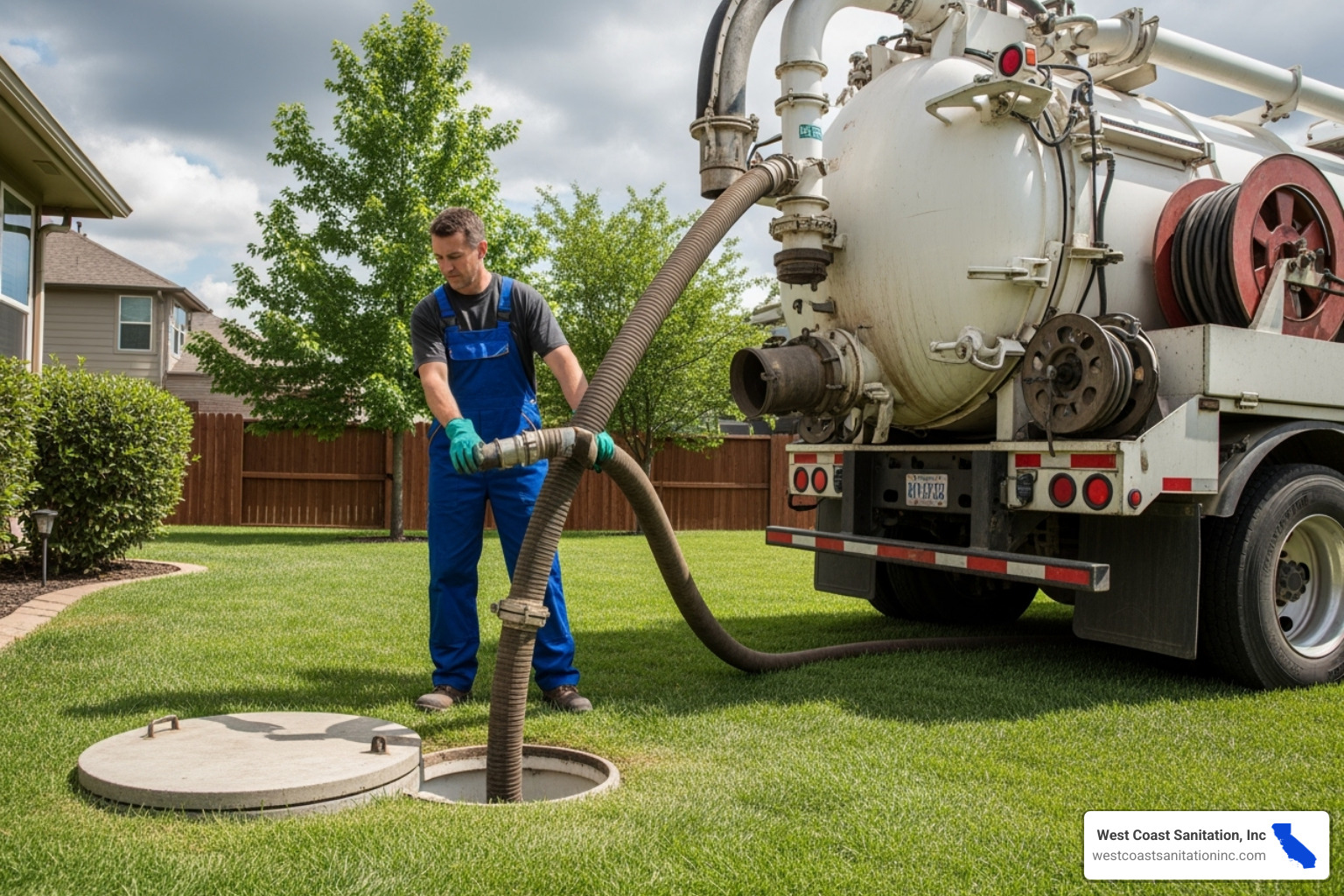
Regular Pumping (Every 3-5 Years): This is the most critical maintenance task. It removes built-up sludge and scum, preventing them from clogging your drainfield, which often leads to total system failure.
-
Water Conservation: Reducing water use with low-flow fixtures and spreading out laundry loads prevents hydraulic overload, a top cause of drainfield failure.
-
Proper Waste Disposal: Only flush human waste and toilet paper. Avoid “flushable” wipes, feminine hygiene products, grease, and coffee grounds, as they cause clogs.
-
Protect Your Drainfield: Never drive, park, or build on your drainfield. The weight compacts the soil. Keep large trees with aggressive roots at a safe distance.
-
Use Septic-Safe Cleaners: Harsh chemicals kill the beneficial bacteria your tank needs to break down waste. Opt for biodegradable, natural cleaning products.
Follow these essential Septic System Dos and Don’ts:
- DO: Pump your tank every 3-5 years, conserve water, and protect your drainfield.
- DON’T: Flush anything but human waste and toilet paper, pour grease down drains, or use harsh chemicals.
Preventive maintenance is always cheaper than emergency repairs. For a complete guide, see our Septic Tank System Dos and Don’ts. Learn how Septic Tank Cleaning Can Help You Avoid Costly Plumbing Repairs and keep your system healthy for its full lifespan.
Frequently Asked Questions about Septic Repair and Replacement
When septic issues arise, homeowners often have a lot of questions. Below, we’ve compiled answers to the most common concerns about whether a septic tank repair will suffice or if a full replacement is necessary.
How long does a typical septic system last?
A well-maintained system typically lasts 20 to 40 years. Longevity depends on the tank material and, most importantly, your maintenance habits. Concrete tanks often last 30+ years, while plastic or fiberglass tanks provide 20 to 30 years of service. Good care can significantly extend a system’s life, while neglect can cut it short.
What should I do in a septic emergency like a sewage backup?
A sewage backup is an emergency. Act quickly and safely:
- Stop all water use immediately. Turn off washing machines and dishwashers, and instruct everyone to stop flushing toilets or running faucets.
- Secure the area. Keep children and pets away from the contaminated zone to prevent exposure.
- Avoid contact. Sewage contains harmful bacteria and pathogens. Wear protective gear if you must be near the area.
- Call a septic professional immediately. This is not a DIY job. West Coast Sanitation provides same-day emergency service for these critical situations.
Can I perform septic system repairs myself?
While simple tasks like inspecting the septic tank lid or checking for obvious leaks are fine, actual septic repairs should be left to licensed professionals. Here’s why:
- Safety: Professionals have the training and equipment to handle hazardous materials, toxic gases, and excavation risks safely.
- Effectiveness: Without proper diagnostic tools, you could misdiagnose the problem and turn a repairable issue into a costly replacement.
- Permits: Most septic work requires permits from local health authorities. Unpermitted work can lead to fines and having to redo the job correctly.
- Expertise: A professional can identify the root cause and fix it right the first time, saving you money and stress in the long run.
Call West Coast Sanitation Today!
Armed with the right knowledge, you can approach septic system issues with confidence rather than panic. Understanding when a repair is sufficient and when a full replacement is necessary helps you make decisions that save both time and money. Septic problems can feel overwhelming, but a clear-headed approach not only protects your investment but also ensures a long-lasting, reliable solution for your home. Taking the time to assess the situation carefully and consult with qualified professionals reduces the risk of costly mistakes and unexpected failures down the line.
Professional diagnosis is crucial. Our camera inspections and soil testing eliminate guesswork, providing a clear picture of your system’s health. Investing in your septic system—whether a repair or replacement—is an investment in your property’s value and your family’s health.
For urgent issues in the Inland Empire and throughout Southern California, trust West Coast Sanitation. As a local, family-owned business, we use high-tech equipment for accurate diagnostics and provide honest, expert advice custom to your budget and needs.
Don’t wait for the problem to worsen. Learn what emergency septic services means for you and give us a call. We offer same-day service to assess your system and help you decide between a helping hand or a fresh start.