


What Every Home Buyer Needs to Know About Septic Systems
Buying a home with a septic system isn’t necessarily complicated—but it does come with its own set of rules, responsibilities, and long-term considerations that every buyer should understand. Unlike a city sewer connection, a septic system is a self-contained wastewater treatment setup that requires proper care to function efficiently. Ignoring its condition or maintenance needs can lead to costly repairs, environmental issues, or even health hazards down the road.
Before you fall in love with that perfect property, it’s important to know what you’re getting into. From inspections and maintenance schedules to understanding tank size, soil type, and local regulations, being informed helps you make a smarter purchase and avoid unpleasant surprises. Here’s what every buyer should know before signing on the dotted line for a home with a septic system.
Around 500,000 U.S. homes rely on septic systems. With proper maintenance, they can last 20-40 years and save you money on sewer bills. Without the right knowledge, however, they can become expensive headaches.
The Foundation: Understanding and Inspecting Your System (Tips 1-3)
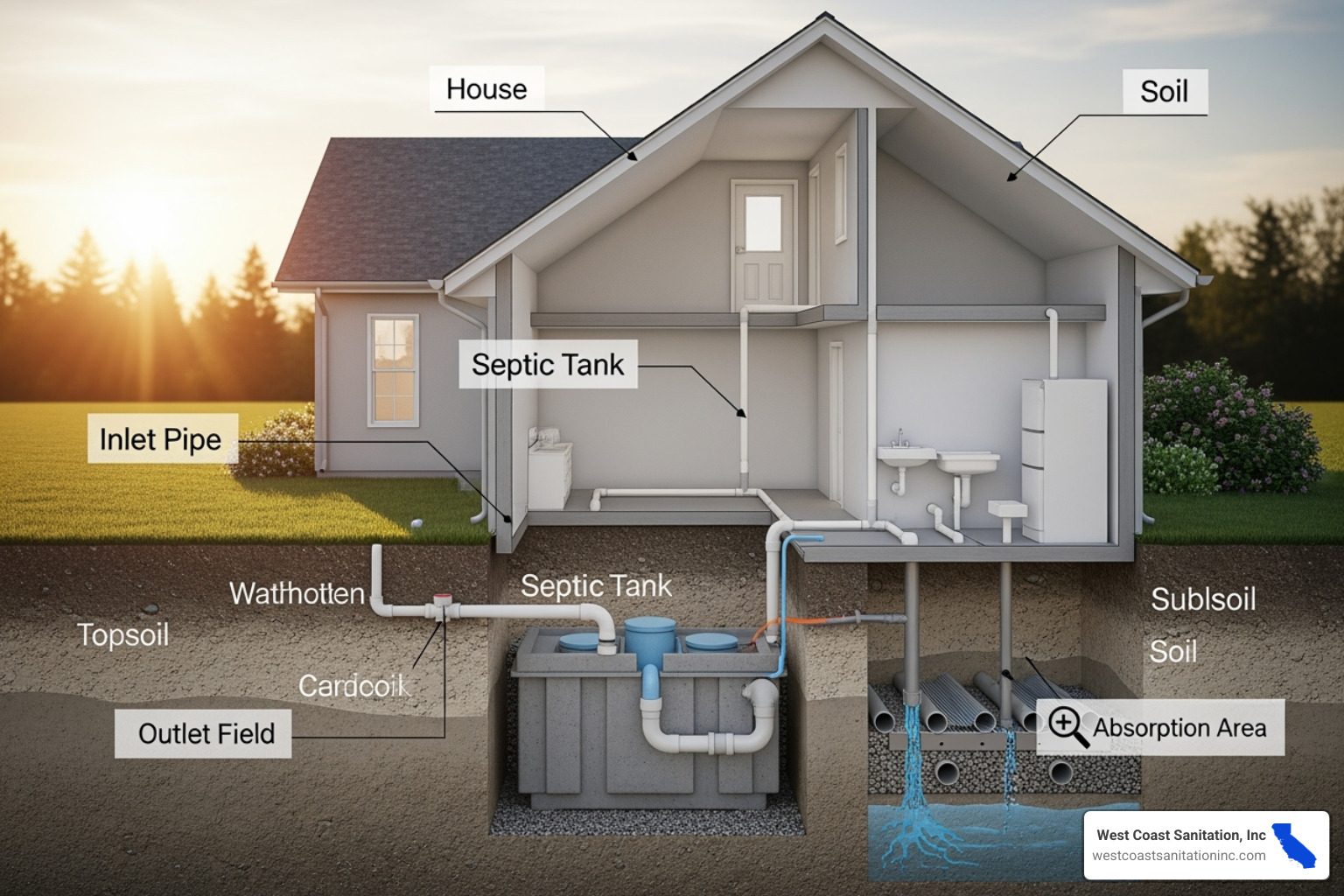
Before purchasing a rural property, it’s crucial to understand what’s happening beneath the surface. The health and function of a septic system can significantly impact both your daily life and long-term property value. Knowing the condition, design, and maintenance history of the system helps you avoid costly surprises and ensures your new home remains safe, sanitary, and efficient. From soil quality to tank capacity and drainage patterns, understanding what lies underground is a vital step in making an informed rural property purchase.
1. How a Septic System Works
A septic system is your personal, backyard wastewater treatment plant. All water from your home flows into a septic tank (usually concrete, fiberglass, or plastic), where it separates into three layers: top scum (oils, grease), middle effluent (liquid waste), and bottom sludge (solids). Beneficial bacteria in the tank break down organic matter, a process detailed in The Role of Bacteria in a Healthy Septic System.
The partially treated effluent then flows to the drain field (or leach field), a network of buried pipes. Here, the soil acts as a natural filter, cleaning the water before it returns to the groundwater. To learn more, see our guides on what is a drain field and how does it work and common septic terms and definitions.
2. The Critical Pre-Purchase Inspection
A professional septic inspection is non-negotiable. A certified inspector will locate all components, check the tank’s structural integrity (including baffles and covers), and measure sludge and scum levels to see if pumping is needed. They will also perform a dye test to check for leaks and evaluate the drain field for signs of failure, like saturation or odors. The inspection ensures the system is functional and complies with local regulations, which can be critical for securing financing. An owner not knowing the system’s location is a red flag for poor maintenance.
This inspection can save you thousands in unexpected repairs. Learn more about why a septic inspection is necessary when buying a home and what to expect during Point of Sale Septic Inspections.
3. Recognizing the Red Flags of a Failing System
During property showings, use your own senses to spot potential issues. Be alert for these red flags:
- Bad odors: A sewage smell near the tank, drain field, or inside the home is a major warning.
- Slow drains and gurgling sounds: Plumbing that drains slowly or makes gurgling noises can signal a full tank or a failing drain field.
- Soggy ground: Look for pooling water or unusually lush, green grass over the drain field, which indicates wastewater is surfacing.
- Sewage backup: The most serious sign is sewage backing up into the home’s drains, indicating a complete system failure.
For more on these indicators, read our guides on Five Signs Your Septic System Needs Repair and Why Do Septic Systems Fail?.
The Financials: Costs, Negotiations, and a Plan B (Tips 4-7)
Understanding the financial side of septic ownership is crucial. While you save on monthly sewer bills, you are responsible for all maintenance and repair costs. Proper planning and budgeting make these costs manageable.
4. Budgeting for Maintenance and Repairs
Regular maintenance is essential to avoid costly repairs. Budget for these key expenses:
- Regular Pumping: Every three to five years, costing $300 to $600 in Southern California. Learn more about How Often Should a Septic Tank Be Pumped?.
- Inspections: A pre-purchase inspection costs $250 to $1,500, while annual checks are $250 to $500.
- Repairs: Minor fixes can be $500-$2,500, but drain field repairs can cost $2,000-$10,000.
- System Replacement: A full replacement is a major expense, ranging from $10,000 to $45,000.
Plan on having an emergency fund specifically for septic issues.
5. Weighing the Pros and Cons of Septic Ownership
Septic ownership has clear advantages and disadvantages.
- Pros: You save money by having no monthly sewer bills. Well-maintained systems are also eco-friendly, treating wastewater onsite, and can last 20-40 years or more.
- Cons: You are fully responsible for all maintenance and repairs. You must be mindful of water usage and what you flush to avoid overwhelming the system. Future home additions may require a costly system upgrade.
6. Navigating Inspection Costs and Who Pays
Typically, the buyer pays for the septic inspection as part of their due diligence. However, this is often negotiable. Depending on the market and local customs in Southern California, you may be able to have the seller pay for or split the cost. Your real estate agent can advise on what’s common. Regardless of who pays, you should be present for the inspection and hire your own independent inspector for an unbiased assessment.
7. What to Do if the System Fails Inspection
If the inspection reveals problems, you have several options:
- Negotiate Repairs: Ask the seller to complete and pay for specific repairs before closing.
- Request a Price Reduction: Negotiate a lower home price to cover the cost of repairs, giving you control over the work.
- Ask for Seller Credits: Receive a credit at closing to fund post-purchase repairs.
- Use an Escrow Account: For major replacements, lenders may require the seller to place funds in escrow to guarantee the work is done.
- Walk Away: If your offer has a septic contingency, you can back out of the deal if the issues are too significant or the seller is unwilling to negotiate.
A failed system can lead to fines and legal trouble. FHA loans also have specific septic requirements that must be met.
Top 10 Things You Should Know Before Buying a House with a Septic System: The Long-Term View

After navigating the inspection and negotiations, the focus shifts to long-term ownership. These final tips will help you become a confident, responsible septic owner.
8. Local Regulations
Septic regulations vary significantly across Southern California, so understanding local rules is critical. Check with the local health department for requirements regarding:
- Permits: Ensure the system was installed and repaired with proper permits.
- Point-of-Sale Inspections: Some areas require an inspection before a property is sold.
- System Certification: Upgrades may be required if you plan to expand your home. Learn more about Septic System Certifications.
- Setback Rules: The system must be a specific distance from wells, property lines, and water sources.
The health department often has maintenance records you can use to verify the seller’s claims.
9. Environmental Impact
A well-maintained septic system is eco-friendly, but a failing one poses serious environmental risks.
- Groundwater Contamination: A failing system can leak untreated wastewater containing harmful bacteria (like E. coli) and nitrates into the groundwater, contaminating your well and your neighbors’. Learn more about how a septic system can contaminate well water.
- Soil and Surface Water Pollution: Effluent can contaminate your yard’s soil and run off into nearby streams and lakes, harming local ecosystems.
10. Your Responsibilities as a New Owner
Your daily habits are key to a long-lasting septic system.
- Be careful what you flush: Only flush human waste and toilet paper. Avoid “flushable” wipes, paper towels, and feminine hygiene products.
- Conserve water: Spreading out laundry loads and fixing leaks prevents overwhelming the system.
- Avoid garbage disposals: They significantly increase solids in the tank, requiring more frequent pumping.
- Use septic-safe cleaners: Harsh chemicals can kill the beneficial bacteria your system needs. See our guide on Which Household Cleaners Are Septic Safe?.
- Protect the drain field: Never park heavy equipment on it, and avoid planting trees with aggressive roots nearby. Grass is the best cover.
Frequently Asked Questions about Buying a Home with a Septic System
Here are answers to some of the most common questions we receive from homebuyers in the Inland Empire.
How long does a septic system typically last?
A typical septic system lasts 15 to 40 years, but its lifespan depends heavily on several factors:
- Maintenance: This is the most critical factor. Regular pumping (every 3-5 years) and inspections can help a system last 40+ years, while neglect can cause failure in as little as 10.
- Soil Conditions: Well-draining soil is ideal for the drain field. Clay or rocky soil puts more stress on the system.
- Tank Material: Concrete tanks can last over 40 years, while older steel tanks may fail after 25. Fiberglass and plastic tanks fall in between.
- Water Usage: Conserving water and being careful about what goes down the drain reduces strain and extends the system’s life.
For more details, see our guide on How Long Does a Septic System Last?.
Can I use a garbage disposal with a septic system?
While you technically can use a garbage disposal, we strongly advise against it. Ground-up food waste significantly increases the solid sludge in your tank, meaning you’ll need to pump it more frequently (often annually instead of every 3-5 years). Food particles can also clog the drain field pipes, leading to costly repairs. The excess food waste disrupts the tank’s bacterial balance. If you must use one, be very selective and avoid grease, fibrous vegetables, and coffee grounds. Composting is a much better alternative.
Is the septic system size important?
Yes, system size is crucial. An undersized system will fail prematurely. The required size is determined by the number of bedrooms, not the number of occupants, to account for maximum potential use. A three-bedroom home typically needs at least a 1,000 to 2,000-gallon tank. An undersized system leads to frequent pumping, drain field failure, and sewage backups. If you plan to add bedrooms, you will likely need to upgrade the septic system, which is a major expense. Always verify the system is sized correctly for the home during your inspection. Our guide on How to Calculate Septic Tank Size can help.
Getting these basics right will save you headaches and thousands of dollars.
Call West Coast Sanitation Today!
Developing smart septic tank habits isn’t just about avoiding problems—it’s about protecting your investment, your family’s health, and our beautiful Southern California environment. When you care for your septic system properly, you’re making a commitment that pays dividends for decades.
Here at West Coast Sanitation, we’ve helped countless families throughout Riverside, San Bernardino, Corona, Temecula, Murrieta, Redlands, Ontario, and surrounding communities keep their septic systems running smoothly. As a family-owned business, we understand that your home is your sanctuary—and a functioning waste management system is essential to keeping it that way.
Our team knows the unique challenges Inland Empire septic systems face—from our clay-heavy soils to those occasional but intense winter rainstorms that can overwhelm poorly maintained systems. That’s why we’re committed to providing same-day service with the latest equipment and techniques.
Ready to put these smart septic tank habits into practice? We’re here to help. Whether you need your first inspection, are due for pumping, or are considering a new residential septic system installation, our team is just a phone call away.
Your septic system works hard for you every day. With these habits and our support, you can return the favor—protecting your property value, your family’s health, and our shared groundwater for years to come.
For professional septic inspection, repair, or installation, contact us today!